
Audi A3 Brake Pads: Specs, Fitment & Wear Symptoms
On the A3, Audi's own corporate escalation genuinely concluded, after a week of communication, that the brakes were "squeaking more than normal" — plus a fix using a specific wheel cleaner and confirmation of a known batch of affected pads.
OEM Part Number: 8V0698151G
| 8V generation (2015 onwards), front pads, PR code 1ZA (312mm rotors) | Audi OEM: 8V0698151G — includes disc brake pad wear sensor, non-S3 |
|---|---|
| 8P generation (2006-2013), front pads | Audi OEM: 5K0698151B (also referenced as 5K0698151) |
| Earlier 8P reference, front pads | Audi OEM: 1K0698151F |
Shared Underpinnings, Not Always Shared Parts
The A3 shares its underlying MQB platform with the VW Golf, Skoda Octavia and Seat Leon, but that doesn't automatically mean brake components are interchangeable across every trim and engine combination — always worth confirming before assuming a part will fit.
What They Do
Brake pads clamp against the discs to convert the car's momentum into heat, slowing it down. The plug-in hybrid 40 TFSI e version of the A3 uses regenerative braking to recover energy under normal deceleration, which can affect both pad wear patterns and pedal feel compared with the standard mild-hybrid petrol version.
Common Sizes
| Mild-hybrid petrol (front) | Standard size — confirm via VIN |
|---|---|
| 40 TFSI e plug-in hybrid | Confirm compatibility given added battery weight |
| S3 / RS3 performance | Larger, high-performance brake package |
Shop for This Part on eBay
 Autostar Germany Front Brake Pads for Audi A3 TT VW Golf Jetta 5K0698151
GBP 16.25
Autostar Germany Front Brake Pads for Audi A3 TT VW Golf Jetta 5K0698151
GBP 16.25
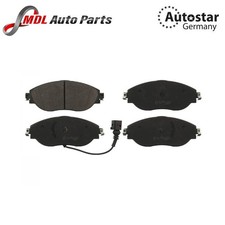 AutoStar Ceramic Brake Pads 5Q0698151K Audi A3 Q2 Q3 Tiguan Passat CC B7 Golf
GBP 28.00
AutoStar Ceramic Brake Pads 5Q0698151K Audi A3 Q2 Q3 Tiguan Passat CC B7 Golf
GBP 28.00
 DELPHI Rear 2x Brake Disc + Pads Fits Audi A1 A2 A3 TT Seat Arona Leon Skoda VW
GBP 30.99
DELPHI Rear 2x Brake Disc + Pads Fits Audi A1 A2 A3 TT Seat Arona Leon Skoda VW
GBP 30.99
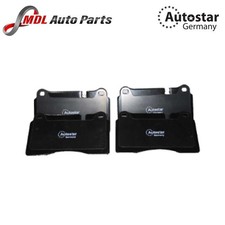 AutoStar Ceramic Front Brake Pads 8J0698151HCR for Audi A3, TT & VW Touareg
GBP 24.00
AutoStar Ceramic Front Brake Pads 8J0698151HCR for Audi A3, TT & VW Touareg
GBP 24.00
 Brake Pads Set fits AUDI A3 8P1, 8P7, 8PA Front 03 to 13 Brembo 1K0698151 New
GBP 28.81
Brake Pads Set fits AUDI A3 8P1, 8P7, 8PA Front 03 to 13 Brembo 1K0698151 New
GBP 28.81
 Front And Rear Brake Pads Set Fits Audi A3 1.6 1.9 2.0 FSI TDI 2003 - 2009
GBP 30.39
Front And Rear Brake Pads Set Fits Audi A3 1.6 1.9 2.0 FSI TDI 2003 - 2009
GBP 30.39
 2x Vented Brake Discs and Pads fits AUDI A3 8V 1.6D Front 12 to 20 288mm Set New
GBP 62.10
2x Vented Brake Discs and Pads fits AUDI A3 8V 1.6D Front 12 to 20 288mm Set New
GBP 62.10
 2x Solid Brake Discs and Pads fits AUDI A3 8P1, 8P7, 8PA Rear 03 to 13 253mm Set
GBP 32.76
2x Solid Brake Discs and Pads fits AUDI A3 8P1, 8P7, 8PA Rear 03 to 13 253mm Set
GBP 32.76
As an eBay Partner, Car United may earn commission from qualifying purchases shown above. Listings and pricing are pulled live from eBay and may vary.
A Genuinely Honest, Real Account Worth Knowing
If a dealer initially dismisses brake squeal as normal, this is genuinely worth knowing: one documented case saw the manufacturer's own corporate customer service escalate a complaint over a full week, only to eventually conclude the brakes were simply "squeaking more than normal" — a genuinely vague finding, though the pads were replaced anyway. It's worth persisting through this kind of escalation even if initial responses feel dismissive.
It's also genuinely worth knowing a proper technique that's sometimes skipped: chamfering the leading edge of new pads and applying proper brake lubricant to all metal-to-metal contact points, not just the rear of the pad, is the correct procedure for preventing squeal. It's also worth knowing that an intermittent squeal, even when properly recorded and provided to a dealer, can genuinely go unresolved even after several separate visits.
Wear Symptoms, DIY Difficulty & Aftermarket Advice
These are the same regardless of make or model — see our full Brake Pads Guide for warning signs to watch for, confirming fitment against your VIN, and R90-certified aftermarket brands worth trusting.
More Audi Brake Pads
The same part, covered across other Audi models.