
Audi A4 Fuel Pump: Specs, Fitment & Common Faults
Confirmed: a genuine, massive-scale recall covering 1.2 million vehicles addressed a fire risk from an overheating coolant pump — Audi's first attempted fix, a software update, wasn't effective, requiring hardware replacement in two stages.
 Illustration for editorial purposes
OEM Part Number: 8E0919051CQ
| In-tank electric pump/sender assembly, B7 generation (2005-2009, quattro variants) | Audi OEM: 8E0919051CQ (also referenced as 8E0919051AL) |
|---|
A Part That Fails at the Worst Possible Moments
Few component failures are as inconveniently timed as this one — it has a habit of stranding drivers mid-journey rather than giving a clean warning while the car is safely parked. Knowing the early signs buys valuable time to get it sorted before that happens.
What It Does
The fuel pump draws fuel from the tank and delivers it to the engine at the pressure required for proper combustion. Almost all modern versions sit inside the fuel tank itself, submerged in fuel, which is partly why access for replacement is more involved than the part's small size might suggest.
Generations & Engines: Fuel Pump Type
| B5/B6/B7 (1994–2008), 1.8T/2.0 FSI petrol & TDI diesel | Spans both diesel (in-tank lift pump plus an engine-mounted high-pressure pump) and petrol (in-tank low-pressure pump, plus a separate high-pressure pump if direct-injection) variants — confirm your exact engine before ordering |
|---|---|
| B6/B7 S4/RS4 (2003–2008), 4.2 V8 | Petrol: typically a single in-tank low-pressure pump; some later or higher-output variants may add a separate engine-mounted high-pressure pump for direct injection — confirm your exact engine |
| B8 (2008–2015), 1.8/2.0 TFSI petrol (EA888) | Petrol (direct injection): in-tank low-pressure pump plus a separate engine-mounted high-pressure pump |
| B8 S4 (2009–2016), 3.0 supercharged V6 & B8 RS4 (2012–2015), 4.2 V8 | Petrol: typically a single in-tank low-pressure pump; some later or higher-output variants may add a separate engine-mounted high-pressure pump for direct injection — confirm your exact engine |
| B8/B9, TDI diesel (2.0/3.0) | Diesel: in-tank lift pump feeds a separate engine-mounted high-pressure injection pump (common rail) — never interchangeable with the petrol pump |
| B9 (2015–present), 2.0 TFSI petrol & S4/RS4 | Petrol (direct injection): in-tank low-pressure pump plus a separate engine-mounted high-pressure pump |
Shop for This Part on eBay
 Fuel Pump Assembly for Audi A4 B8 A5 8F7 8TA 8K0919051AJ New 8K0919051AS
GBP 59.26
Fuel Pump Assembly for Audi A4 B8 A5 8F7 8TA 8K0919051AJ New 8K0919051AS
GBP 59.26
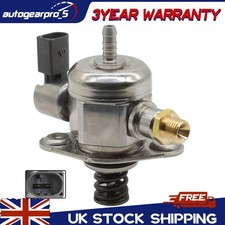 High Pressure Fuel Pump for Audi A3 A4 Seat Altea Exeo VW Golf Passat 1.8 2.0
GBP 63.49
High Pressure Fuel Pump for Audi A3 A4 Seat Altea Exeo VW Golf Passat 1.8 2.0
GBP 63.49
 Autostar Germany (AST-306965) FUEL PUMP FOR AUDI B8 A4 B8 S4 8K0919051G
GBP 113.00
Autostar Germany (AST-306965) FUEL PUMP FOR AUDI B8 A4 B8 S4 8K0919051G
GBP 113.00
 Fuel Pump In Tank Fits AUDI A4 8E 8H 1.8 3.0 ASN AVJ AVK BBJ BEX BFB BGN 3C5E
GBP 84.50
Fuel Pump In Tank Fits AUDI A4 8E 8H 1.8 3.0 ASN AVJ AVK BBJ BEX BFB BGN 3C5E
GBP 84.50
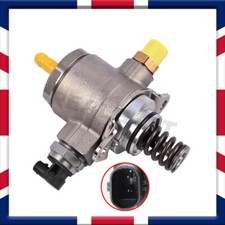 High Pressure Fuel Pump for VW Golf Passat 2.0T TSI for Audi A3 S3 A4 A6
GBP 39.39
High Pressure Fuel Pump for VW Golf Passat 2.0T TSI for Audi A3 S3 A4 A6
GBP 39.39
 HIGH PRESSURE FUEL PUMP FOR AUDI A3 A4 B8 A5 A6 Q3 Q5 TT 06J127025J 06J127025L
GBP 109.95
HIGH PRESSURE FUEL PUMP FOR AUDI A3 A4 B8 A5 A6 Q3 Q5 TT 06J127025J 06J127025L
GBP 109.95
 AUDI A4 FUEL PUMP 2.0 PETROL DMSB 06N127025C MK5 B9 2015 - 2021
GBP 149.00
AUDI A4 FUEL PUMP 2.0 PETROL DMSB 06N127025C MK5 B9 2015 - 2021
GBP 149.00
 Autostar Germany ELECTRIC FUEL PUMP For AUDI A4 B8, A5 B8 8K0919051AJ
GBP 160.00
Autostar Germany ELECTRIC FUEL PUMP For AUDI A4 B8, A5 B8 8K0919051AJ
GBP 160.00
As an eBay Partner, Car United may earn commission from qualifying purchases shown above. Listings and pricing are pulled live from eBay and may vary.
Confirmed: A Genuine, Massive-Scale Safety Recall Worth Checking Your Car Against — Audi A4 Fuel Pump
This is genuinely worth checking directly on 2013-2016 models: a confirmed recall covering 1.2 million vehicles addressed a genuine fire risk from a coolant pump that could overheat, caused by the pump becoming blocked by debris in the fluid or moisture causing an electrical short. It's genuinely worth knowing that Audi's first attempted fix for this issue was a software update, which reportedly wasn't effective, meaning the recall ultimately required a genuine hardware replacement carried out in two separate stages — first with a like-for-like replacement pump, then again later with an entirely new pump design once it became available. It's genuinely worth checking your specific VIN against the official recall register directly, and confirming both stages of this recall have actually been completed on your specific car, rather than assuming an initial visit covered everything.
It's also genuinely worth knowing an alarming, honest account worth being aware of regarding the separate belt starter generator on 48V mild hybrid models: one documented case saw this component fail at just 47,000 miles, with Audi UK refusing a goodwill contribution and claiming the ignition had been left on, despite no diagnostic proof of this being offered. The owner reported similar experiences documented across several other models in the range — worth persisting with an escalation, potentially through the Motor Ombudsman, if you encounter a similar refusal without clear supporting evidence.
Warning Signs, DIY Difficulty & Aftermarket Advice
These are the same regardless of make or model — see our full Fuel Pump Guide for symptoms to watch for (including the low-pressure vs high-pressure distinction on direct-injection engines), confirming fitment against your VIN, and OE suppliers worth knowing.
More Audi Fuel Pump
The same part, covered across other Audi models.