
BMW X5 Brake Pads: Specs, Fitment & Wear Symptoms
On the X5, once the first internal wear event triggers, the sensor genuinely cannot be reused, even if it still looks intact.
 Illustration for editorial purposes
OEM Part Numbers
Brake Pads Are One of the Few Truly Universal Parts
Every version of the X5 uses brake pads that wear down through normal use — the only real variable is how quickly, which depends on engine, trim, and (where fitted) whether the car has any form of regenerative braking to ease the load.
What They Do
Brake pads clamp against the discs to convert the car's momentum into heat, slowing it down. On any version of the X5 with hybrid assistance or regenerative braking, this system handles a meaningful share of everyday slowing, which can genuinely extend pad life compared with a purely petrol or diesel equivalent.
Common Sizes
Fitment & Compatibility
Pad specification can differ meaningfully between standard and any hybrid-assisted version of the X5, given the different braking systems and weight distribution involved. Always confirm the exact pad specification for your specific engine before ordering. Whether you're sourcing a replacement brake pads for your BMW X5 from a dealer, specialist, or online marketplace, always check compatibility against your registration or VIN before buying.
Shop for This Part on eBay
 Brake Pads Set fits BMW X5 E70, F15 3.0D Front 06 to 18 Brembo 34112413038 New
GBP 43.05
Brake Pads Set fits BMW X5 E70, F15 3.0D Front 06 to 18 Brembo 34112413038 New
GBP 43.05
 Brake Pads Set fits BMW X5 E53 Rear 00 to 06 34211163324 34211163326 34211163833
GBP 23.57
Brake Pads Set fits BMW X5 E53 Rear 00 to 06 34211163324 34211163326 34211163833
GBP 23.57
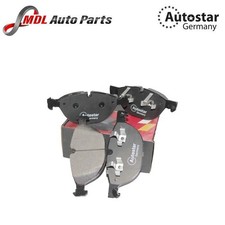 AutoStar Germany Front Brake Pads 34116778048 for BMW X5 X6 E70 E71 xDrive50i
GBP 31.00
AutoStar Germany Front Brake Pads 34116778048 for BMW X5 X6 E70 E71 xDrive50i
GBP 31.00
 Brake Pads Set fits BMW X5 E70, F15 3.0D Rear 06 to 18 Brembo 34212413040 New
GBP 35.35
Brake Pads Set fits BMW X5 E70, F15 3.0D Rear 06 to 18 Brembo 34212413040 New
GBP 35.35
 Brake Pads Set fits BMW X5 E70, F15 3.0D Rear 07 to 18 Bosch 34216776937 Quality
GBP 34.60
Brake Pads Set fits BMW X5 E70, F15 3.0D Rear 07 to 18 Bosch 34216776937 Quality
GBP 34.60
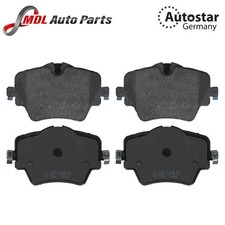 AutoStar Front Brake Pads Set 0986494940 for BMW X1 X3 X4 X5 X6 34106860019
GBP 27.00
AutoStar Front Brake Pads Set 0986494940 for BMW X1 X3 X4 X5 X6 34106860019
GBP 27.00
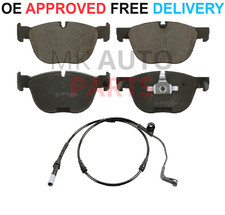 FOR BMW X5 X6 E70 E71 3.0 PETROL DIESEL FRONT BRAKE PADS & SENSORS 2006 TO 2019
GBP 59.99
FOR BMW X5 X6 E70 E71 3.0 PETROL DIESEL FRONT BRAKE PADS & SENSORS 2006 TO 2019
GBP 59.99
 Brake Pads Set fits BMW X5 E53 3.0D Front 01 to 06 34111163307 34111165227 Febi
GBP 27.40
Brake Pads Set fits BMW X5 E53 3.0D Front 01 to 06 34111163307 34111165227 Febi
GBP 27.40
As an eBay Partner, Car United may earn commission from qualifying purchases shown above. Listings and pricing are pulled live from eBay and may vary.
A Genuinely Useful Piece of Context Worth Knowing About Wear Sensor Resets
If a brake pad wear warning won't clear despite fitting new pads, this is genuinely worth knowing: the wear sensor works through internal electrical stages, and once the first wear event has genuinely occurred, the sensor cannot be reused or reset again, even if it still looks physically intact.
It's also genuinely worth knowing that aftermarket and budget sensors have been documented as genuinely hit and miss when it comes to resetting properly, worth sticking with a genuine sensor if you've had trouble.
Wear Symptoms, DIY Difficulty & Aftermarket Advice
These are the same regardless of make or model — see our full Brake Pads Guide for warning signs to watch for, how straightforward this job is to DIY, and R90-certified aftermarket brands worth trusting.
More BMW Brake Pads
The same part, covered across other BMW models.