
Land Rover Freelander 2 Front Suspension: Specs, Fitment & Common Faults
On the Freelander 2, hydrabush fluid within the front lower control arm on related models has genuinely been confirmed causing a specific knocking noise.
 Illustration for editorial purposes
OEM Part Numbers
The System That Quietly Does All the Work
Every bump, pothole and corner passes through these components before you ever feel it in the cabin, which is exactly why wear here shows up as vague, hard-to-pin-down symptoms rather than one obvious failure. A methodical check usually finds the culprit faster than guesswork.
What It Does
The front suspension — springs, dampers, control arms and anti-roll bar links — manages how the front wheels respond to the road surface, keeping the tyres in consistent contact with the ground while controlling body movement under braking and cornering. Each component wears differently, so a full diagnosis usually involves checking several parts rather than assuming one is solely responsible.
Shop for This Part on eBay
 For Land Rover Freelander 2 2006-2014 2X Suspension Arms Front Lower Wishbones
GBP 79.00
For Land Rover Freelander 2 2006-2014 2X Suspension Arms Front Lower Wishbones
GBP 79.00
 Front Lower Suspension control arm kit wishbones for Land Rover Freelander 1
GBP 59.95
Front Lower Suspension control arm kit wishbones for Land Rover Freelander 1
GBP 59.95
 2x Suspension Arms Front Lower Wishbones for Land Rover Freelander 2 2006-
GBP 76.00
2x Suspension Arms Front Lower Wishbones for Land Rover Freelander 2 2006-
GBP 76.00
 Fits Land Rover Freelander 1 Front Suspension Arms Pair (wishbone)
GBP 49.99
Fits Land Rover Freelander 1 Front Suspension Arms Pair (wishbone)
GBP 49.99
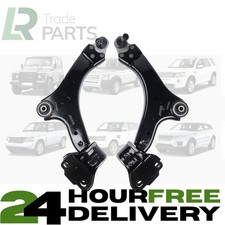 NEW SUSPENSION ARMS FRONT LOWER WISHBONES X2 FITS FREELANDER 2 (2006-2014)
GBP 95.95
NEW SUSPENSION ARMS FRONT LOWER WISHBONES X2 FITS FREELANDER 2 (2006-2014)
GBP 95.95
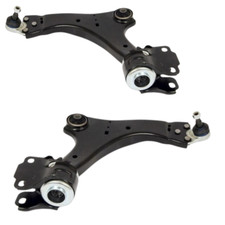 For Land Rover Freelander 2 2006-2014 Front Lower Wishbones Suspension Arms Pair
GBP 89.95
For Land Rover Freelander 2 2006-2014 Front Lower Wishbones Suspension Arms Pair
GBP 89.95
 For Land Rover Freelander 2 2006-2014 Front Lower Wishbones Suspension Arms Pair
GBP 89.95
For Land Rover Freelander 2 2006-2014 Front Lower Wishbones Suspension Arms Pair
GBP 89.95
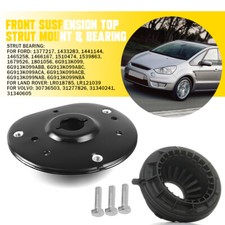 UK For Land Rover Freelander 2 Front Suspension Strut Top Bearings LR018785 1SET
GBP 21.84
UK For Land Rover Freelander 2 Front Suspension Strut Top Bearings LR018785 1SET
GBP 21.84
As an eBay Partner, Car United may earn commission from qualifying purchases shown above. Listings and pricing are pulled live from eBay and may vary.
A Genuinely Useful Piece of Context Worth Knowing About Suspension Knocks — Land Rover Freelander 2 Front Suspension
If you're hearing a knock from the front suspension, this is genuinely worth knowing: a confirmed technical bulletin on related Land Rover models identifies hydrabush fluid within the front lower control arm as the cause of a specific knocking noise, with no effect on suspension operation.
It's also genuinely worth knowing a useful two-person diagnostic technique: with the engine running and handbrake on, turning the steering wheel back and forth while a second person observes the ball joints from underneath for play.
Warning Signs, DIY Difficulty & Aftermarket Advice
These are the same regardless of make or model — see our full Front Suspension Guide for symptoms of worn bushings and ball joints, confirming fitment against your VIN, and rubber vs polyurethane guidance.
More Land Rover Front Suspension
The same part, covered across other Land Rover models.