
Land Rover Range Rover Evoque Brake Discs: Specs, Fitment & Wear Symptoms
A genuinely honest account: a goodwill disc replacement was followed by the exact same judder returning within 6,000 miles, with the dealer then flatly refusing further help — plus a clarification that warranty claims require genuine discs already fitted.
 Illustration for editorial purposes
OEM Part Number: LR027123
| Standard fitment (per Land Rover's own service manual), front discs | 300mm diameter, vented, 28mm thickness, 26mm minimum |
|---|---|
| Standard fitment, rear discs | Land Rover OEM: LR027123 — 302mm diameter, solid, 11mm thickness, 9mm minimum |
| 2015-2019, 17" wheels, front disc (shared with Discovery Sport) | Land Rover OEM: LR059122 — 325mm diameter |
| 2016-2019, 18" wheels, front disc | Land Rover OEM: LR083647 — 349mm diameter |
The Part That Pads Depend On
Discs and pads work as a pair, and neglecting one tends to accelerate wear on the other — which is exactly why worn discs so often get discovered during what was meant to be a routine pad change.
What They Do
Brake discs provide the surface the brake pads clamp against to slow the car, converting momentum into heat through friction. Larger, sportier trims of the Range Rover Evoque typically use bigger discs than standard versions to handle the additional heat generated by more aggressive braking.
Shop for This Part on eBay
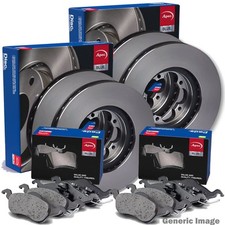 APEC Front & Rear Axle Brake Discs Set & Pads Fits Land Rover Range Rover Evoque
GBP 129.99
APEC Front & Rear Axle Brake Discs Set & Pads Fits Land Rover Range Rover Evoque
GBP 129.99
 BREMBO Front 2x Brake Discs + Brake Pad Set Fits Land Rover Range Rover Evoque
GBP 101.99
BREMBO Front 2x Brake Discs + Brake Pad Set Fits Land Rover Range Rover Evoque
GBP 101.99
 BREMBO Front 2x Brake Discs + Brake Pad Set Fits Land Rover Range Rover Evoque
GBP 143.99
BREMBO Front 2x Brake Discs + Brake Pad Set Fits Land Rover Range Rover Evoque
GBP 143.99
 BREMBO Front 2x Brake Discs + Brake Pad Set Fits Land Rover Range Rover Evoque
GBP 118.99
BREMBO Front 2x Brake Discs + Brake Pad Set Fits Land Rover Range Rover Evoque
GBP 118.99
 LAND ROVER RANGE ROVER EVOQUE 2.0 2.2 SD4 L538 11-18 FRONT REAR BRAKE DISCS PADS
GBP 201.59
LAND ROVER RANGE ROVER EVOQUE 2.0 2.2 SD4 L538 11-18 FRONT REAR BRAKE DISCS PADS
GBP 201.59
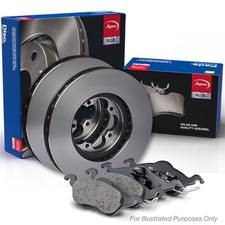 APEC Rear Brake Discs & Brake Pads Set Fits Land Rover Range Rover Evoque
GBP 59.99
APEC Rear Brake Discs & Brake Pads Set Fits Land Rover Range Rover Evoque
GBP 59.99
 TEXTAR Brake Discs & Pads Rear Braking Set Fits Land Rover Range Rover Evoque
GBP 121.59
TEXTAR Brake Discs & Pads Rear Braking Set Fits Land Rover Range Rover Evoque
GBP 121.59
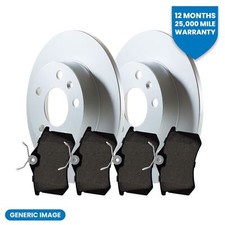 Rear Brake Discs & Pads Braking Service Kit Fits Land Rover Range Rover Evoque
GBP 58.99
Rear Brake Discs & Pads Braking Service Kit Fits Land Rover Range Rover Evoque
GBP 58.99
As an eBay Partner, Car United may earn commission from qualifying purchases shown above. Listings and pricing are pulled live from eBay and may vary.
A Genuinely Honest, Real Account Worth Knowing
If a persistent judder under braking keeps returning despite a repair, this is genuinely worth knowing: one documented case on a related Range Rover model saw a dealer replace the front discs and pads as a goodwill gesture after judder first developed, only for the exact same problem to return within a further six thousand miles. The same dealer then flatly refused to help further, describing brakes as a consumable item — worth knowing that one goodwill gesture doesn't necessarily mean ongoing support if the same fault returns shortly after. It's also genuinely worth knowing an important clarification: the manufacturer reportedly won't consider a warranty claim for this kind of issue at all unless genuine discs are already fitted to the car, worth confirming this before fitting any aftermarket discs if you want to preserve a future warranty claim.
It's also genuinely worth knowing a useful alternative cause worth checking: an axle seal leaking oil or grease directly onto the disc surface can produce vibration symptoms very similar to genuinely warped discs.
Wear Symptoms, DIY Difficulty & Aftermarket Advice
These are the same regardless of make or model — see our full Brake Discs Guide for warning signs to watch for, confirming fitment against your VIN, and choosing a reliable aftermarket disc.
More Land Rover Brake Discs
The same part, covered across other Land Rover models.