
Land Rover Range Rover Evoque Exhaust System: Specs, Fitment & Common Faults
A genuinely alarming, honest account: a professional DPF clean on related models has been documented lasting only weeks before the red warning returned, with follow-up diagnostics still showing significant soot and oil dilution — plus a finding that any check engine light blocks regeneration entirely.
 Illustration for editorial purposes
OEM Part Numbers
The Part That Announces Its Own Problems
Unlike a lot of the parts on this site, this is one where you'll usually hear the fault before you see it — a rattle, a drone, a sudden increase in noise that wasn't there last week. That's actually useful, since it gives you a head start on catching problems early.
What It Does
The exhaust system channels burnt gases away from the engine, reduces noise through the silencer, and on most modern cars, treats emissions through a catalytic converter and particulate filter before gases exit the tailpipe. Petrol and diesel versions of the same model often use entirely different systems due to different emissions treatment requirements.
Shop for This Part on eBay
 LAND ROVER RANGE ROVER EVOQUE TD4 11-15 STAINLESS STEEL CATBACK EXHAUST SYSTEM
GBP 269.99
LAND ROVER RANGE ROVER EVOQUE TD4 11-15 STAINLESS STEEL CATBACK EXHAUST SYSTEM
GBP 269.99
 Land Rover Range Rover Evoque Exhaust System Silencer Mk1 2.2 Diesel 2011-2015♪
GBP 134.99
Land Rover Range Rover Evoque Exhaust System Silencer Mk1 2.2 Diesel 2011-2015♪
GBP 134.99
 STAINLESS STEEL CAT BACK EXHAUST SYSTEM FOR RANGE ROVER EVOQUE TD4 SD4 2.2 11-15
GBP 399.99
STAINLESS STEEL CAT BACK EXHAUST SYSTEM FOR RANGE ROVER EVOQUE TD4 SD4 2.2 11-15
GBP 399.99
 K8D25H343A exhaust catalytic converter LAND ROVER RANGE EVOQUE 2018 KAT241
GBP 599.99
K8D25H343A exhaust catalytic converter LAND ROVER RANGE EVOQUE 2018 KAT241
GBP 599.99
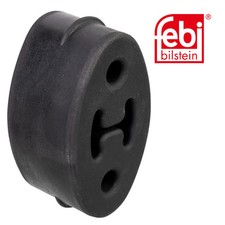 Febi Exhaust System Mount Rear Rubber fits Land Rover Range Rover Evoque
GBP 9.99
Febi Exhaust System Mount Rear Rubber fits Land Rover Range Rover Evoque
GBP 9.99
 2012-2019 Range Rover Evoque L538 Exhaust System GJ325H343AD 2.0 Diesel
GBP 299.99
2012-2019 Range Rover Evoque L538 Exhaust System GJ325H343AD 2.0 Diesel
GBP 299.99
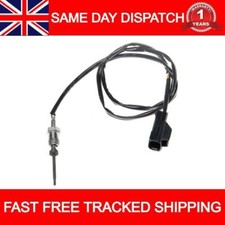 NEW FITS LAND ROVER RANGE ROVER EVOQUE 2.0 D EXHAUST GAS TEMPERATURE SENSOR DPF
GBP 52.75
NEW FITS LAND ROVER RANGE ROVER EVOQUE 2.0 D EXHAUST GAS TEMPERATURE SENSOR DPF
GBP 52.75
 NEW GENUINE LR RANGE ROVER EVOQUE L551 Rear Exhaust System Clamp - LR003178
GBP 29.80
NEW GENUINE LR RANGE ROVER EVOQUE L551 Rear Exhaust System Clamp - LR003178
GBP 29.80
As an eBay Partner, Car United may earn commission from qualifying purchases shown above. Listings and pricing are pulled live from eBay and may vary.
A Genuinely Alarming, Honest Real Account Worth Knowing
If a DPF has just been professionally cleaned, this is genuinely worth knowing: documented cases on related models describe the red DPF warning returning within just weeks and a handful of miles after a professional clean, going straight back into limp home mode, with follow-up diagnostics still showing significant soot and oil dilution readings. A professional clean can be only a temporary fix in some cases, worth asking directly what's causing repeated blockages rather than accepting repeated cleans as a permanent solution.
It's also genuinely worth knowing a useful, practical tip: topping off the diesel exhaust fluid tank every two to three tanks of fuel, rather than waiting for a low-level warning, can help avoid the fluid crystallising at very low levels, a genuine documented cause of related fault codes.
Warning Signs, DIY Difficulty & Aftermarket Advice
These are the same regardless of make or model — see our full Exhaust System Guide for warning signs and fault codes to watch for, confirming fitment against your VIN, and which aftermarket brands are worth trusting.
More Land Rover Exhaust System
The same part, covered across other Land Rover models.