
Lexus IS Brake Pads: Specs, Fitment & Wear Symptoms
Confirmed: an official Technical Service Bulletin acknowledges high-friction pads on performance F models can squeal as a known characteristic — with Lexus's own bulletin explicitly warning that a quieter alternative pad may reduce braking performance.
 Illustration for editorial purposes
OEM Part Numbers
Hybrid Braking Changes the Wear Pattern
Both hybrid versions of the IS use regenerative braking to recover energy under normal deceleration, which means the pads themselves often see less use than on the petrol-only IS 350 — worth knowing before assuming a fixed replacement interval applies across the whole range.
What They Do
Brake pads clamp against the discs to convert the car's momentum into heat, slowing it down. On the 350h and 450h+ hybrid versions of the IS, the regenerative braking system handles a meaningful share of everyday slowing, which can extend pad life compared with the petrol-only 350.
Common Sizes
| IS 350 petrol (front) | Standard size — confirm via VIN |
|---|---|
| IS 350h hybrid | Confirm compatibility given regenerative braking system |
| IS 450h+ plug-in hybrid | Confirm compatibility given added battery weight |
Shop for This Part on eBay
 Brake Pads Set fits LEXUS IS250 Mk2 2.5 Rear 05 to 15 4GR-FSE 0446622190 Febi
GBP 22.63
Brake Pads Set fits LEXUS IS250 Mk2 2.5 Rear 05 to 15 4GR-FSE 0446622190 Febi
GBP 22.63
 Lexus IS200 99-06 Front Rear Drilled Grooved MTEC Brake Discs & MTEC Brake Pads
GBP 202.99
Lexus IS200 99-06 Front Rear Drilled Grooved MTEC Brake Discs & MTEC Brake Pads
GBP 202.99
 FOR LEXUS IS200 IS220 IS250 2.2 2.5 FRONT AND REAR BRAKE PADS SET 2005 TO 2013
GBP 63.99
FOR LEXUS IS200 IS220 IS250 2.2 2.5 FRONT AND REAR BRAKE PADS SET 2005 TO 2013
GBP 63.99
 FOR LEXUS IS220 IS220d IS250 (2005-2011) FRONT 2 BRAKE DISCS & PADS SET *NEW*
GBP 75.50
FOR LEXUS IS220 IS220d IS250 (2005-2011) FRONT 2 BRAKE DISCS & PADS SET *NEW*
GBP 75.50
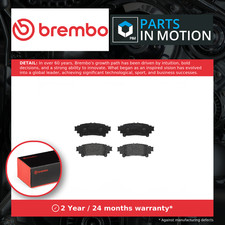 Brake Pads Set fits LEXUS IS300h Mk3 2.5 Rear 13 to 20 2AR-FSE Brembo 0446630280
GBP 31.04
Brake Pads Set fits LEXUS IS300h Mk3 2.5 Rear 13 to 20 2AR-FSE Brembo 0446630280
GBP 31.04
 Brake Pads Set fits LEXUS IS250 Mk2, Mk3 2.5 Front 05 to 15 Proformer New
GBP 13.94
Brake Pads Set fits LEXUS IS250 Mk2, Mk3 2.5 Front 05 to 15 Proformer New
GBP 13.94
 Front Pagid Brake Pads For Lexus IS / IS 300h 2005-2018 Geniune OE Quality
GBP 35.70
Front Pagid Brake Pads For Lexus IS / IS 300h 2005-2018 Geniune OE Quality
GBP 35.70
 Front Brake Discs Internally Vented Coated + Brake Pads Fits Lexus IS C BREMBO
GBP 129.59
Front Brake Discs Internally Vented Coated + Brake Pads Fits Lexus IS C BREMBO
GBP 129.59
As an eBay Partner, Car United may earn commission from qualifying purchases shown above. Listings and pricing are pulled live from eBay and may vary.
Confirmed: A Genuine Technical Service Bulletin Worth Knowing About — Lexus IS Brake Pads
If you're facing a squeal specifically on a high-performance F-branded model, this is genuinely worth knowing: a confirmed technical service bulletin acknowledges that these models are fitted with high-friction brake pads specifically designed for superior braking performance and response, and that this pad material can genuinely produce a squeal or squeak as a known characteristic rather than a fault. Lexus's own official response was to make an alternative brake pad material available as a service part for owners who find the noise objectionable. It's genuinely worth knowing, however, that the bulletin itself explicitly warns that switching to this alternative material may alter and possibly reduce overall braking performance — worth weighing up whether trading some outright stopping power for a quieter brake is genuinely the right call for how you use the car.
It's also genuinely worth knowing a reassuring clarification: a squeak that occurs only first thing in the morning or on the very first brake application, then clears up, is widely considered a normal characteristic caused by surface rust forming overnight, rather than a genuine fault.
Wear Symptoms, DIY Difficulty & Aftermarket Advice
These are the same regardless of make or model — see our full Brake Pads Guide for warning signs to watch for, confirming fitment against your VIN, and R90-certified aftermarket brands worth trusting.
More Lexus Brake Pads
The same part, covered across other Lexus models.