
Mini Clubman Brake Discs: Specs, Fitment & Wear Symptoms
A genuinely useful, real technique: skimming discs while still fitted to the car is cheaper and often more accurate than full replacement.
 Illustration for editorial purposes
OEM Part Number: G3NMB3005
| F54 Cooper (2015-2018), front discs | 280mm diameter, vented, 22mm thickness, 20.4mm minimum |
|---|---|
| F54, rear discs | 280mm diameter, solid, 10mm thickness, 8.4mm minimum |
| Non-S Clubman, front discs (genuine reference) | 307mm diameter, 24mm thickness — MINI OEM: G3NMB3005 |
| JCW models, front discs | 316mm diameter, vented, 22mm thickness, 20.4mm minimum — genuinely larger, not compatible with base Cooper or Cooper S calipers |
| R55 generation, rear discs | 259mm diameter, solid, 10mm thickness |
The Part That Pads Depend On
Discs and pads work as a pair, and neglecting one tends to accelerate wear on the other — which is exactly why worn discs so often get discovered during what was meant to be a routine pad change.
What They Do
Brake discs provide the surface the brake pads clamp against to slow the car, converting momentum into heat through friction. Larger, sportier trims of the Clubman typically use bigger discs than standard versions to handle the additional heat generated by more aggressive braking.
Shop for This Part on eBay
 APEC Front & Rear Axle Full Set Brake Discs Set & Brake Pads Fits Mini Clubman
GBP 99.99
APEC Front & Rear Axle Full Set Brake Discs Set & Brake Pads Fits Mini Clubman
GBP 99.99
 Front Brake Discs Vented and Pads Kit Mapco For Mini Mini Clubman 280mm
GBP 51.96
Front Brake Discs Vented and Pads Kit Mapco For Mini Mini Clubman 280mm
GBP 51.96
 Mini Clubman R55 1.6 Cooper S 07-15 Front Rear Brake Discs & Mintex Pads
GBP 219.99
Mini Clubman R55 1.6 Cooper S 07-15 Front Rear Brake Discs & Mintex Pads
GBP 219.99
 TEXTAR Brake Discs & Pads Front & Rear Fits Mini Mini Mini Clubman Mini Clubvan
GBP 158.99
TEXTAR Brake Discs & Pads Front & Rear Fits Mini Mini Mini Clubman Mini Clubvan
GBP 158.99
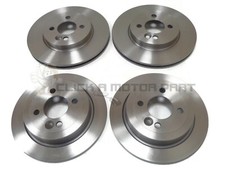 MINI R55 CLUBMAN 1.6 ONE COOPER FRONT & REAR BRAKE DISCS (CHECK DISC SIZE)
GBP 78.99
MINI R55 CLUBMAN 1.6 ONE COOPER FRONT & REAR BRAKE DISCS (CHECK DISC SIZE)
GBP 78.99
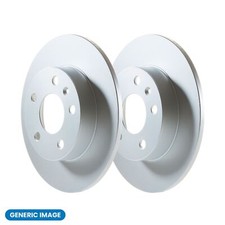 Pair of Solid Rear Brake Discs For Mini 2001-2015 Mini Clubman 2007-2014
GBP 27.99
Pair of Solid Rear Brake Discs For Mini 2001-2015 Mini Clubman 2007-2014
GBP 27.99
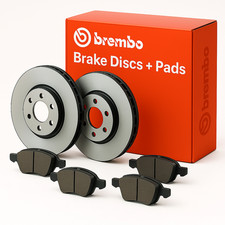 BREMBO Front 2x Brake Discs + Pad Set Fits Mini Mini Mini Clubman Mini Clubvan
GBP 106.99
BREMBO Front 2x Brake Discs + Pad Set Fits Mini Mini Mini Clubman Mini Clubvan
GBP 106.99
 Front Brake Discs & Pads Fits Mini Mini 2 Series Mini Clubman BMW 2 Series
GBP 79.99
Front Brake Discs & Pads Fits Mini Mini 2 Series Mini Clubman BMW 2 Series
GBP 79.99
As an eBay Partner, Car United may earn commission from qualifying purchases shown above. Listings and pricing are pulled live from eBay and may vary.
A Genuinely Useful, Real Technique Worth Knowing About — Mini Clubman Brake Discs
If you're facing brake judder and assuming full disc replacement is the only option, this is genuinely worth knowing: skimming the discs while they remain fitted to the car, rather than replacing them entirely, is a genuinely cheaper option that can also be more accurate, since it corrects for any distortion contributed by the hub itself, not just the disc surface.
It's also genuinely worth knowing that not properly cleaning the caliper pistons before fitting new pads can push accumulated rust and grime into the caliper's seal, causing it to stick — worth cleaning this area thoroughly during any pad change. It's also worth knowing that the clearance between the pads and disc is designed to be extremely small, almost a light rub, rather than a generous gap.
Wear Symptoms, DIY Difficulty & Aftermarket Advice
These are the same regardless of make or model — see our full Brake Discs Guide for warning signs to watch for, confirming fitment against your VIN, and choosing a reliable aftermarket disc.
More Mini Brake Discs
The same part, covered across other Mini models.