
Mini Cooper Brake Pads: Specs, Fitment & Wear Symptoms
A genuinely specific, real finding: Mini fits specific insulation shims designed to prevent squealing, and skipping them during a brake job is a common cause of persistent squeal — plus an honest account of a squeak appearing as a side effect of an unrelated, successful repair.
 Illustration for editorial purposes
OEM Part Numbers
Sportier Driving Usually Means Faster Wear
This is a car reviewers consistently praise for engaging, spirited handling — and spirited driving generally means brake pads wear faster than on a car driven purely for commuting. Worth checking them a little more often than you might on a less playful car.
What They Do
Brake pads clamp against the discs to convert the car's momentum into heat, slowing it down. The John Cooper Works version of the Cooper uses a larger, higher-performance braking package than the standard Cooper C, reflecting its higher performance envelope.
Common Sizes
| Cooper C (front) | Standard size — confirm via VIN |
|---|---|
| Cooper S | Larger front pad and disc package |
| John Cooper Works | Largest, high-performance compound braking package |
Shop for This Part on eBay
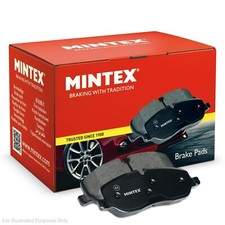 Brake Pads Set For Mini Cooper S F56 2.0 Front Mintex 34106863293 34106885503
GBP 32.53
Brake Pads Set For Mini Cooper S F56 2.0 Front Mintex 34106863293 34106885503
GBP 32.53
 Brake Pads Set fits MINI COOPER 1.6 Front 01 to 06 34111503076 34116761287 New
GBP 20.15
Brake Pads Set fits MINI COOPER 1.6 Front 01 to 06 34111503076 34116761287 New
GBP 20.15
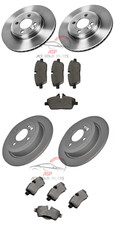 MINI R56 ONE COOPER 1.6 2006-2013 FRONT AND REAR BRAKE DISCS AND PADS RC02PU*
GBP 101.95
MINI R56 ONE COOPER 1.6 2006-2013 FRONT AND REAR BRAKE DISCS AND PADS RC02PU*
GBP 101.95
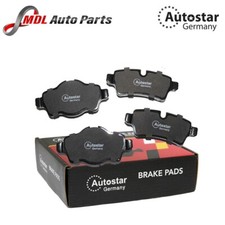 AutoStar Germany Rear Ceramic Brake Pads 34216794059 for MINI Cooper R56 R57 R58
GBP 26.00
AutoStar Germany Rear Ceramic Brake Pads 34216794059 for MINI Cooper R56 R57 R58
GBP 26.00
 Brake Pads Set fits MINI COOPER R56 1.6 Rear 06 to 13 Brembo 34212289155 Quality
GBP 27.46
Brake Pads Set fits MINI COOPER R56 1.6 Rear 06 to 13 Brembo 34212289155 Quality
GBP 27.46
 For Mini - Cooper R55 R56 R57 R59 Clubman One 2006-2015 Rear Brake Pads
GBP 16.19
For Mini - Cooper R55 R56 R57 R59 Clubman One 2006-2015 Rear Brake Pads
GBP 16.19
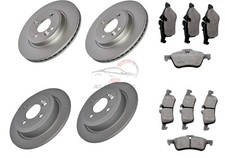 R50 R52 R53 MINI ONE COOPER 1.6 FRONT AND REAR BRAKE DISCS & PADS 2001-2006
GBP 96.49
R50 R52 R53 MINI ONE COOPER 1.6 FRONT AND REAR BRAKE DISCS & PADS 2001-2006
GBP 96.49
 2x Vented Brake Discs and Pads fits MINI COOPER 1.6 Front 01 to 06 276mm Set New
GBP 52.88
2x Vented Brake Discs and Pads fits MINI COOPER 1.6 Front 01 to 06 276mm Set New
GBP 52.88
As an eBay Partner, Car United may earn commission from qualifying purchases shown above. Listings and pricing are pulled live from eBay and may vary.
A Genuinely Specific, Real Finding Worth Knowing About Persistent Squealing
If a squeal persists despite a proper pad and disc replacement, this is genuinely worth knowing: Mini fits specific brake pad insulation shims from the factory, designed specifically to prevent squealing. If this insulation isn't replaced alongside the pads themselves during a brake job, this is a common, real cause of squealing persisting or returning even after correct pad and disc replacement — worth confirming this specific component was included if you're facing an unresolved squeal after a proper job elsewhere.
It's also genuinely worth knowing a specific driving technique documented as resolving a squeal that survived multiple other attempted fixes: driving at around 40mph in third gear at full throttle while lightly applying the brakes with the left foot, effectively loading the brakes against the engine until they get properly hot, has been credited with permanently stopping a persistent squeal in at least one case after chamfering pad edges and copper slip had both failed to help.
Wear Symptoms, DIY Difficulty & Aftermarket Advice
These are the same regardless of make or model — see our full Brake Pads Guide for warning signs to watch for, confirming fitment against your VIN, and R90-certified aftermarket brands worth trusting.
More Mini Brake Pads
The same part, covered across other Mini models.