
Mini Cooper Front Suspension: Specs, Fitment & Common Faults
A genuinely alarming, honest account: an almost-new car needed four dealer visits and multiple expensive parts replaced before the engine mount was finally found to be the actual cause — plus an ingenious dictaphone-based diagnostic technique.
 Illustration for editorial purposes
OEM Part Numbers
The System That Quietly Does All the Work
Every bump, pothole and corner passes through these components before you ever feel it in the cabin, which is exactly why wear here shows up as vague, hard-to-pin-down symptoms rather than one obvious failure. A methodical check usually finds the culprit faster than guesswork.
What It Does
The front suspension — springs, dampers, control arms and anti-roll bar links — manages how the front wheels respond to the road surface, keeping the tyres in consistent contact with the ground while controlling body movement under braking and cornering. Each component wears differently, so a full diagnosis usually involves checking several parts rather than assuming one is solely responsible.

Shop for This Part on eBay
 14pcs Front Suspension Control Arm Kit For MINI Cooper One S R50 R52 R53 1.4 1.6
GBP 231.99
14pcs Front Suspension Control Arm Kit For MINI Cooper One S R50 R52 R53 1.4 1.6
GBP 231.99
 2014-24 Mini Cooper S F56 1.5D Front Left N/S Leg Brake Suspension Leg Hub
GBP 135.99
2014-24 Mini Cooper S F56 1.5D Front Left N/S Leg Brake Suspension Leg Hub
GBP 135.99
 MINI COOPER R57 SUSPENSION LEG FRONT LEFT 6789551 8605473 2007-2015 MANUAL
GBP 98.99
MINI COOPER R57 SUSPENSION LEG FRONT LEFT 6789551 8605473 2007-2015 MANUAL
GBP 98.99
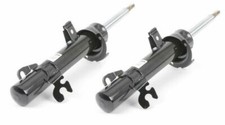 FOR MINI COOPER R55 R56 R57 2006-2013 FRONT SUSPENSION SHOCK ABSORBER PAIR X 2
GBP 59.95
FOR MINI COOPER R55 R56 R57 2006-2013 FRONT SUSPENSION SHOCK ABSORBER PAIR X 2
GBP 59.95
 Pair Front Shock Absorbers For Mini (R50,R53,R52) Cooper 2001-2006 suspension
GBP 53.99
Pair Front Shock Absorbers For Mini (R50,R53,R52) Cooper 2001-2006 suspension
GBP 53.99
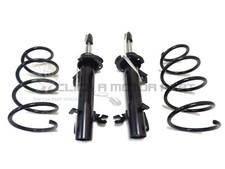 Front Suspension 2 Coil Springs & 2 Shockers For Mini Cooper + Cooper D R56 1.6
GBP 149.34
Front Suspension 2 Coil Springs & 2 Shockers For Mini Cooper + Cooper D R56 1.6
GBP 149.34
 2014-24 Mini Cooper S F56 1.5D Front Right Driver Side Brake Suspension Leg Hub
GBP 135.99
2014-24 Mini Cooper S F56 1.5D Front Right Driver Side Brake Suspension Leg Hub
GBP 135.99
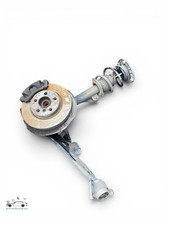 2019 Mini Cooper F56 1.5 Petrol Front Left Passenger Leg Brake Suspension Hub
GBP 139.99
2019 Mini Cooper F56 1.5 Petrol Front Left Passenger Leg Brake Suspension Hub
GBP 139.99
As an eBay Partner, Car United may earn commission from qualifying purchases shown above. Listings and pricing are pulled live from eBay and may vary.
A Genuinely Alarming, Honest Real Account Worth Knowing — Mini Cooper Front Suspension
If you're facing a persistent knock and multiple suspension parts have already been replaced without success, this is genuinely worth knowing: one documented case saw an almost-new car, with just 2,500 miles on the clock, develop a knock from the front suspension. The dealer visited four separate times, replacing the steering rack, both suspension strut upper mount bearings, both lower control arms, and the left driveshaft — and the noise still persisted throughout. It was only when the anti-roll bar drop link and, critically, the engine mount were finally replaced that the problem was permanently resolved, with the owner concluding the engine mount had likely been the genuine cause all along, despite seeming like an unlikely candidate at first. It's genuinely worth asking specifically about the engine mount if a persistent knock survives several suspension-focused repair attempts.
It's also genuinely worth knowing an honest finding worth bearing in mind: the old gearbox mount in that case didn't look obviously damaged, just slightly wobbly to the touch, yet replacing it — a genuinely affordable part costing around £50, and a job that can be done yourself in about an hour — fully resolved a rattle that had persisted for over a year despite other components already being replaced. Worth not ruling out a mount simply because it doesn't look obviously broken on visual inspection.
Warning Signs, DIY Difficulty & Aftermarket Advice
These are the same regardless of make or model — see our full Front Suspension Guide for symptoms of worn bushings and ball joints, confirming fitment against your VIN, and rubber vs polyurethane guidance.
More Mini Front Suspension
The same part, covered across other Mini models.