
Mini Cooper Fuel Pump: Specs, Fitment & Common Faults
A genuinely damning, honest finding: on 2007-2009 Cooper S models, the high-pressure fuel pump issue saw US customers get a 10-year extended warranty, while UK customers were told there was no known problem at all.
 Illustration for editorial purposes
OEM Part Numbers
A Part That Fails at the Worst Possible Moments
Few component failures are as inconveniently timed as this one — it has a habit of stranding drivers mid-journey rather than giving a clean warning while the car is safely parked. Knowing the early signs buys valuable time to get it sorted before that happens.
What It Does
The fuel pump draws fuel from the tank and delivers it to the engine at the pressure required for proper combustion. Almost all modern versions sit inside the fuel tank itself, submerged in fuel, which is partly why access for replacement is more involved than the part's small size might suggest.
Generations & Engines: Fuel Pump Type
| R50/R52/R53 (2000–2006), incl. JCW | Petrol: typically a single in-tank low-pressure pump; some later or higher-output variants may add a separate engine-mounted high-pressure pump for direct injection — confirm your exact engine |
|---|---|
| R55/R56/R57/R58/R59 (2006–2015), Cooper S/JCW (N14/N18) | Petrol: typically a single in-tank low-pressure pump; some later or higher-output variants may add a separate engine-mounted high-pressure pump for direct injection — confirm your exact engine |
| F55/F56/F57 (2014–present), incl. JCW (B38/B48) | Petrol: typically a single in-tank low-pressure pump; some later or higher-output variants may add a separate engine-mounted high-pressure pump for direct injection — confirm your exact engine |

Shop for This Part on eBay
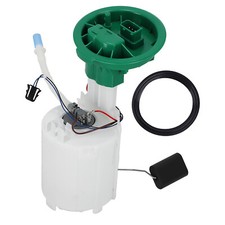 Fuel Pump Assembly For MINI R50 R53 Cooper One 1.6L I4 16146756184
GBP 46.50
Fuel Pump Assembly For MINI R50 R53 Cooper One 1.6L I4 16146756184
GBP 46.50
 BMW Mini Cooper S R55 R56 R57 R58 R59 Fuel Pump With Level Sensor Sender 2752294
GBP 44.95
BMW Mini Cooper S R55 R56 R57 R58 R59 Fuel Pump With Level Sensor Sender 2752294
GBP 44.95
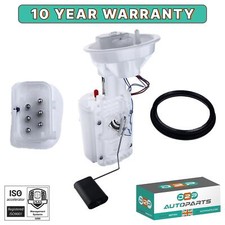 IN TANK FUEL PUMP SENDER UNIT FOR BMW MINI R55 R56 R57 R58 R59 1.6T COOPER S JCW
GBP 69.95
IN TANK FUEL PUMP SENDER UNIT FOR BMW MINI R55 R56 R57 R58 R59 1.6T COOPER S JCW
GBP 69.95
 KEMSO 340LPH High Performance Fuel Pump for Mini Cooper S 1.6
GBP 47.98
KEMSO 340LPH High Performance Fuel Pump for Mini Cooper S 1.6
GBP 47.98
 MINI Cooper S JCW N14 N18 HPFP High Pressure Fuel Pump Rebuild Service
GBP 167.10
MINI Cooper S JCW N14 N18 HPFP High Pressure Fuel Pump Rebuild Service
GBP 167.10
 For Mini 1.6T Cooper S & JCW N18 Engine 13517592429 High Pressure Fuel Pump
GBP 350.00
For Mini 1.6T Cooper S & JCW N18 Engine 13517592429 High Pressure Fuel Pump
GBP 350.00
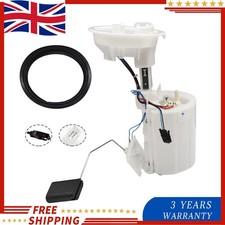 IN TANK FUEL PUMP SENDER UNIT FOR BMW MINI R55 R56 R57 R58 R59 1.6T COOPER S JCW
GBP 38.20
IN TANK FUEL PUMP SENDER UNIT FOR BMW MINI R55 R56 R57 R58 R59 1.6T COOPER S JCW
GBP 38.20
 MINI COOPER HIGH PRESSURE FUEL PUMP 1.6 PETROL V758887980 R56 2006 - 2011
GBP 249.99
MINI COOPER HIGH PRESSURE FUEL PUMP 1.6 PETROL V758887980 R56 2006 - 2011
GBP 249.99
As an eBay Partner, CarUnited may earn commission from qualifying purchases shown above. Listings and pricing are pulled live from eBay and may vary.
A Genuinely Damning, Honest Real Finding Worth Knowing — Mini Cooper Fuel Pump
If you own a 2007-2009 Cooper S, this is genuinely worth knowing about a documented, real consumer inequality: the high-pressure fuel pump on this engine was a well-known issue also affecting BMW's related turbocharged engine of the same era, significant enough that BMW issued a full recall for affected BMW models in North America. Mini customers with the same affected pump did not receive the same treatment — instead, Mini extended the warranty specifically for this component to 10 years or 120,000 miles, whichever came first, but only for these specific model years, and this extension was documented as a US-market benefit rather than something UK customers received in the same way. If your car is a 2010 model or newer, or has covered more than 120,000 miles, you fall outside this extended coverage entirely.
It's also genuinely worth knowing a useful, practical tip: recall or goodwill work is occasionally carried out quietly during an unrelated service visit without the owner being told explicitly what was done — worth checking your service history directly to see whether any relevant work has already been completed.
Warning Signs, DIY Difficulty & Aftermarket Advice
These are the same regardless of make or model — see our full Fuel Pump Guide for symptoms to watch for (including the low-pressure vs high-pressure distinction on direct-injection engines), confirming fitment against your VIN, and OE suppliers worth knowing.
More Mini Fuel Pump
The same part, covered across other Mini models.