
Nissan Qashqai Fuel Pump: Specs, Fitment & Common Faults
A genuinely important, repeated consumer complaint: dealers insisting on a full pump replacement despite cheaper component-level parts existing — one real case saw a €2,000 quote reduced to €118.
 Illustration for editorial purposes
OEM Part Numbers
A Genuinely Important, Repeated Consumer Complaint Worth Knowing About — Nissan Qashqai Fuel Pump
If your diesel Qashqai has a fuel pump fault and you've been quoted for a complete pump replacement, this is genuinely worth knowing: multiple owners describe what they call a "classic Nissan ploy" — dealers insisting a full pump replacement is required, sometimes costing £2,000 or more, despite Nissan itself selling cheaper, replaceable component-level parts (specifically valves and pressure regulators) that fit the same pump and can resolve many faults for a fraction of the cost. One documented case on a related model saw a €2,000 dealer quote for a full pump reduced to around €118 once the actual failed component — a small fuel pressure switch — was correctly identified and replaced on its own.
It's also worth knowing that some model years use a single valve while others use two, distinguished by different coloured caps — a genuine, documented fitment trap where ordering the wrong configuration for your specific car has caused confusion and wasted orders. Confirming the exact setup for your specific car before ordering is worth doing.
A Part That Fails at the Worst Possible Moments
Few component failures are as inconveniently timed as this one — it has a habit of stranding drivers mid-journey rather than giving a clean warning while the car is safely parked. Knowing the early signs buys valuable time to get it sorted before that happens.
What It Does
The fuel pump draws fuel from the tank and delivers it to the engine at the pressure required for proper combustion. Almost all modern versions sit inside the fuel tank itself, submerged in fuel, which is partly why access for replacement is more involved than the part's small size might suggest.
Generations & Engines: Fuel Pump Type
| J10 (2006–2013), 1.6 petrol (HR16DE) | Petrol: typically a single in-tank low-pressure pump; some later or higher-output variants may add a separate engine-mounted high-pressure pump for direct injection — confirm your exact engine |
|---|---|
| J10 (2006–2013), 1.5 dCi diesel | Diesel: in-tank lift pump feeds a separate engine-mounted high-pressure injection pump (common rail) — never interchangeable with the petrol pump |
| J11 (2013/2014–2021), 1.2 DIG-T petrol (HRA2DDT) | Petrol: typically a single in-tank low-pressure pump; some later or higher-output variants may add a separate engine-mounted high-pressure pump for direct injection — confirm your exact engine |
| J11 (2018–2021), 1.3 DIG-T petrol (HR13DDT) | Petrol: typically a single in-tank low-pressure pump; some later or higher-output variants may add a separate engine-mounted high-pressure pump for direct injection — confirm your exact engine |
| J11 (2013–2021), 1.5 dCi diesel (K9K, shared with Renault) | Diesel: in-tank lift pump feeds a separate engine-mounted high-pressure injection pump (common rail) — never interchangeable with the petrol pump |
| J11 (2013–2021), 1.6/2.0 dCi diesel (R9M/M9R) | Diesel: in-tank lift pump feeds a separate engine-mounted high-pressure injection pump (common rail) — never interchangeable with the petrol pump |
| J12 (2021–present), 1.3 DIG-T petrol (incl. mild-hybrid) | Petrol: typically a single in-tank low-pressure pump; some later or higher-output variants may add a separate engine-mounted high-pressure pump for direct injection — confirm your exact engine — the hybrid system doesn't change this; the combustion engine still needs its own fuel pump |
Shop for This Part on eBay
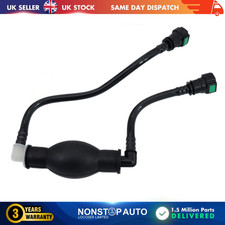 DIESEL HAND PRIMER FUEL PUMP FOR NISSAN QASHQAI I J10, NJ10 1.5 dCi 17270JD500
GBP 19.33
DIESEL HAND PRIMER FUEL PUMP FOR NISSAN QASHQAI I J10, NJ10 1.5 dCi 17270JD500
GBP 19.33
 for Nissan Qashqai Diesel Hand Fuel Pump Primer 17270JD500 J10 NJ10 2006 - 2013
GBP 18.98
for Nissan Qashqai Diesel Hand Fuel Pump Primer 17270JD500 J10 NJ10 2006 - 2013
GBP 18.98
 NISSAN QASHQAI J11 MK2 1.2 PETROL FUEL PUMP/SENDER UNIT (IN TANK) 17040 4ED0A
GBP 34.95
NISSAN QASHQAI J11 MK2 1.2 PETROL FUEL PUMP/SENDER UNIT (IN TANK) 17040 4ED0A
GBP 34.95
 High Pressure Fuel Pump 1663000Q0B fit Nissan Juke Qashqai 2013-2019 1.2L Petrol
GBP 69.99
High Pressure Fuel Pump 1663000Q0B fit Nissan Juke Qashqai 2013-2019 1.2L Petrol
GBP 69.99
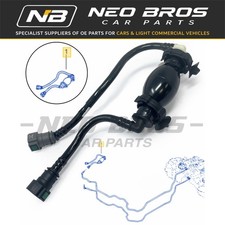 GENUINE Hand Diesel Fuel Pump Primer, Nissan Qashqai 1.5 dCi 17270JD500 - NEW
GBP 51.45
GENUINE Hand Diesel Fuel Pump Primer, Nissan Qashqai 1.5 dCi 17270JD500 - NEW
GBP 51.45
 Fuel Pump fits NISSAN QASHQAI J10 1.5D In tank 06 to 13 Lemark 17040JD55A New
GBP 58.19
Fuel Pump fits NISSAN QASHQAI J10 1.5D In tank 06 to 13 Lemark 17040JD55A New
GBP 58.19
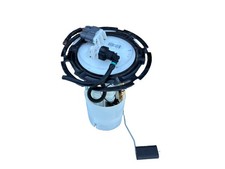 2019 NISSAN QASHQAI FUEL PUMP SENDER UNIT 1.3 PETROL HR13DDT 17040BD70A
GBP 26.70
2019 NISSAN QASHQAI FUEL PUMP SENDER UNIT 1.3 PETROL HR13DDT 17040BD70A
GBP 26.70
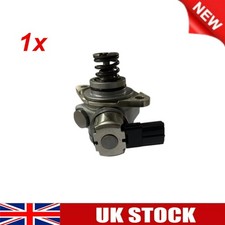 High Pressure Fuel Pump 1663000Q0F Fit For Nissan Juke F15 Qashqai J11 1.2 DIG-T
GBP 66.98
High Pressure Fuel Pump 1663000Q0F Fit For Nissan Juke F15 Qashqai J11 1.2 DIG-T
GBP 66.98
As an eBay Partner, CarUnited may earn commission from qualifying purchases shown above. Listings and pricing are pulled live from eBay and may vary.
Warning Signs, DIY Difficulty & Aftermarket Advice
These are the same regardless of make or model — see our full Fuel Pump Guide for symptoms to watch for (including the low-pressure vs high-pressure distinction on direct-injection engines), confirming fitment against your VIN, and OE suppliers worth knowing.
More Nissan Fuel Pump
The same part, covered across other Nissan models.