
Renault Megane Alternator: Specs, Fitment & Common Faults
A genuine, documented fault confirms the alternator pulley can literally split — plus a real consumer grievance: diesel models got a recall for a similar issue, petrol models explicitly did not.
 Illustration for editorial purposes
OEM Part Number: 7711368103
| Genuine reference, shared across Clio/Megane Mk2-Mk4 | Renault OEM: 7711368103 |
|---|---|
| Current generation (Captur/Clio/Kadjar/Megane/Scenic), 120 Amp | Renault OEM: 231009933R |
A Genuine, Documented Fault: The Pulley Can Literally Split — Renault Megane Alternator
A genuine technical bulletin from Autoelectro (a major alternator remanufacturer) confirms a specific, documented fault affecting Clio models — a tensioning issue in the drive belt system that can cause the alternator pulley itself to physically split, triggering the alternator warning light and producing excessive noise from the drive belt area. This is worth knowing as a genuine, confirmed mechanical failure mode rather than simple wear, and it's worth mentioning specifically if you're chasing a noise or warning light in this area, since it points toward a specific component rather than general alternator wear.
A genuinely useful diagnostic technique worth trying: with the auxiliary belt removed, spin the alternator and any other free pulleys by hand — genuine roughness or grinding indicates worn bearings specifically. It's also worth knowing that alternator bearings can seem fine when spun freely by hand but still be noisy once the sideways pressure from the drive belt is reapplied, so a clean spin test alone doesn't always rule out a bearing issue.
Often Blamed on the Battery Instead
A weak battery and a failing alternator produce almost identical symptoms at first — dim lights, slow starts, a car that won't hold charge — which is exactly why so many people replace the battery, only to be back at the garage a few weeks later with the real culprit untouched.
What It Does
The alternator generates electricity while the engine runs, charging the battery and powering the car's electrical systems directly. A healthy alternator means the battery is mostly there for starting the engine and covering brief demand spikes — not for actually running the car's electronics on its own.
Shop for This Part on eBay
 RENAULT MEGANE Alternator 1.5 Diesel 2011 K9K834 231000027R
GBP 40.00
RENAULT MEGANE Alternator 1.5 Diesel 2011 K9K834 231000027R
GBP 40.00
 RENAULT MEGANE Alternator 2008-2017 1.5L K9K 656 231000027R
GBP 44.79
RENAULT MEGANE Alternator 2008-2017 1.5L K9K 656 231000027R
GBP 44.79
 RENAULT MEGANE Alternator 1.5 Diesel 2011 K9K846 231000026R
GBP 35.00
RENAULT MEGANE Alternator 1.5 Diesel 2011 K9K846 231000026R
GBP 35.00
 Alternator 150A for Dacia Duster Renault Fluence Megane Scenic III Captur I 1.5
GBP 99.00
Alternator 150A for Dacia Duster Renault Fluence Megane Scenic III Captur I 1.5
GBP 99.00
 FITS RENAULT MEGANE MK3 1.5 DCi DIESEL 2008-2017 231000027R 120A NEW ALTERNATOR
GBP 134.99
FITS RENAULT MEGANE MK3 1.5 DCi DIESEL 2008-2017 231000027R 120A NEW ALTERNATOR
GBP 134.99
 Alternator 75A Fits Renault Clio Kangoo Megane Scenic 14V Bosch 0986042191
GBP 99.99
Alternator 75A Fits Renault Clio Kangoo Megane Scenic 14V Bosch 0986042191
GBP 99.99
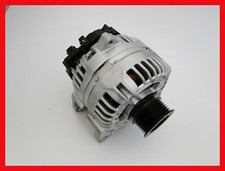 2A3249 ALTERNATOR For RENAULT Laguna III Megane CC Modus Scenic II III 1.4 1.6
GBP 85.71
2A3249 ALTERNATOR For RENAULT Laguna III Megane CC Modus Scenic II III 1.4 1.6
GBP 85.71
 Alternator Regulator For Renault Laguna Megane 1.4 1.6 .8 2.0 1.5 1.9 2.2 dC
GBP 36.85
Alternator Regulator For Renault Laguna Megane 1.4 1.6 .8 2.0 1.5 1.9 2.2 dC
GBP 36.85
As an eBay Partner, Car United may earn commission from qualifying purchases shown above. Listings and pricing are pulled live from eBay and may vary.
Warning Signs, DIY Difficulty & Aftermarket Advice
These are the same regardless of make or model — see our full Alternator Guide for symptoms to watch for (plus a genuinely useful two-minute test to confirm it's not the battery instead), confirming the right amperage and fitment against your VIN, and which brands are worth trusting.
More Renault Alternator
The same part, covered across other Renault models.