
Vauxhall Viva Timing Belt: Intervals, Fitment & Warning Signs
The Viva's petrol engine uses a timing chain, not a belt — but the tensioner's well-documented failure pattern means that's not necessarily good news.
 Illustration for editorial purposes
OEM Part Number: 55589371
| 1.0-litre petrol, genuine timing chain | Vauxhall OEM: 55589371 — shared with Adam, Corsa E |
|---|
Confirmed: The Viva Uses a Timing Chain — But That's Not Necessarily Good News
Vauxhall's small-capacity petrol engines from this era — the 1.0, 1.2, and 1.4-litre units shared across much of the Corsa, Astra, and Adam range — are timing chain driven, not belt driven, and this genuinely extends to this model too. This sounds reassuring since chains are typically marketed as lasting the engine's life, but these specific GM-era engines have a well-documented, widely reported tendency for the tensioner to fail well before that promise holds up. The tensioner relies on oil pressure to hold the chain taut, and as it wears, the chain develops slack and starts slapping against its guides, producing a diesel-like rattle on cold start extensively reported across Vauxhall owner forums.
Genuine UK repair cost brackets worth knowing: a straightforward chain, tensioner, and guide replacement — done before further damage occurs — typically runs £350-600 including parts and labour. If the chain has already jumped timing or caused valve contact, costs escalate sharply to £800-1,200 or more. Sticking to oil changes every 6,000-10,000 miles with quality synthetic oil, considerably more frequent than the official interval, is repeatedly credited by owners as the single biggest factor in avoiding this expense.
The Part Where Missing a Deadline Gets Expensive
Few maintenance items carry as much downside risk for skipping them. On the engines where this component fails, the consequences typically extend well beyond the part itself, which is exactly why sticking to the schedule matters more here than almost anywhere else on the car.

What It Does
The timing belt or chain keeps the engine's camshafts and crankshaft rotating in precise synchronisation, ensuring valves open and close at exactly the right moment relative to piston position. On many engines, this is what's known as an "interference" design — if the belt fails, the pistons and valves can collide, causing serious internal engine damage.
Fitment & Compatibility
Belt versus chain, and the exact replacement interval, depends entirely on which specific engine is fitted to your Viva — this varies by both generation and engine size, not just model year. Always confirm your exact engine code before assuming a standard interval applies. Whether you're sourcing a replacement timing belt for your Vauxhall Viva from a dealer, specialist, or online marketplace, always check compatibility against your registration or VIN before buying.
Shop for This Part on eBay
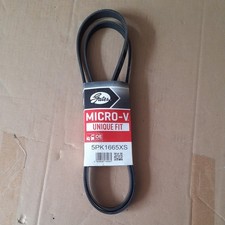 Gates 5PK1665XS VRibbed Belt Replacement Service Fits Opel Vauxhall Viva NOS
GBP 16.15
Gates 5PK1665XS VRibbed Belt Replacement Service Fits Opel Vauxhall Viva NOS
GBP 16.15
 Gates 5PK1665XS V-Ribbed Belt Replacement Service Fits Opel Karl Vauxhall Viva
GBP 24.99
Gates 5PK1665XS V-Ribbed Belt Replacement Service Fits Opel Karl Vauxhall Viva
GBP 24.99
 Fits Vauxhall Viva (2015-) 1.0 Gates V-Ribbed Belts -7418
GBP 19.97
Fits Vauxhall Viva (2015-) 1.0 Gates V-Ribbed Belts -7418
GBP 19.97
 Gates Micro-V Multi-Ribbed Belt fits Vauxhall Viva ECOTEC - 1.0 - 15-18 5PK1650
GBP 16.99
Gates Micro-V Multi-Ribbed Belt fits Vauxhall Viva ECOTEC - 1.0 - 15-18 5PK1650
GBP 16.99
 Vauxhall VICTOR FD FE FIRENZA VIVA HC 1600 1800 2300 1599 1759cc 2279cc Fan Belt
GBP 7.00
Vauxhall VICTOR FD FE FIRENZA VIVA HC 1600 1800 2300 1599 1759cc 2279cc Fan Belt
GBP 7.00
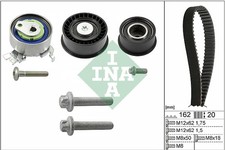 INA 530 0443 10 Timing Belt Kit Fits Chevrolet Holden Opel Vauxhall Astra G Viva
GBP 54.09
INA 530 0443 10 Timing Belt Kit Fits Chevrolet Holden Opel Vauxhall Astra G Viva
GBP 54.09
 Gates V-Ribbed Belts Fits Vauxhall Viva (2015-) 1.0 - 5PK1665XS
GBP 19.85
Gates V-Ribbed Belts Fits Vauxhall Viva (2015-) 1.0 - 5PK1665XS
GBP 19.85
 Apec Timing Chain Kit for Vauxhall Viva B10XE 1.0 January 2015 to January 2018
GBP 244.25
Apec Timing Chain Kit for Vauxhall Viva B10XE 1.0 January 2015 to January 2018
GBP 244.25
As an eBay Partner, Car United may earn commission from qualifying purchases shown above. Listings and pricing are pulled live from eBay and may vary.
Warning Signs, DIY Difficulty & Aftermarket Advice
These are the same regardless of make or model — see our full Timing Belt Guide for symptoms to watch for, why this isn't a good DIY job, and which aftermarket brands are worth trusting.
More Vauxhall Timing Belt
The same part, covered across other Vauxhall models.