
Volkswagen Golf Tail Lights: Specs, Fitment & Common Faults
On the Golf, LED tail lights genuinely can't self-dry condensation the way old bulbs could — here's the real physics behind it, and a genuine DIY fix.
 Illustration for editorial purposes
Confirmed: Why LED Tail Lights Fog Up More Than Old Bulb-Based Ones Ever Did
It's genuinely worth understanding why condensation in tail lights has become a more commonly reported complaint on modern cars than it used to be: LED tail lights simply don't produce anywhere near the heat that older incandescent bulbs did, meaning there's nothing inside the unit capable of evaporating moisture that finds its way in. Older filament bulbs ran hot enough to naturally dry out minor condensation on their own; LED units genuinely can't do this, so any moisture that gets in tends to linger considerably longer, particularly through autumn and winter. Light misting that clears on its own once the sun warms the unit is widely considered a normal characteristic of LED lighting rather than a fault — dealers commonly only consider a genuine fault confirmed when there's actual standing water or audible sloshing inside the unit, not simply a light misting on the inner lens.
More Wiring Behind There Than Most People Assume
A tail light unit typically bundles several functions into one housing — brake light, indicator, reversing light and rear fog light — which means a single electrical fault can affect more than one function at once, and a "faulty tail light" can mean several genuinely different things.
OEM Part Numbers
Standard cars and GTI/Golf R models can differ in tail light specification, and the dynamic "wiping" indicator effect fitted to some higher trims and European-market cars isn't available on every version. Confirm exactly which tail light type your car has before ordering.
Generations, Derivatives & Tail Light Type
| Mk6 (2008–2014), standard trims | Halogen bulb-based units as standard |
|---|---|
| Mk6, GTI/R | Genuine LED tail lights with sequential indicators were fitted, confirmed as European-market equipment — halogen-to-LED conversion kits are explicitly marketed only for cars that came with halogen from the factory, meaning halogen GTI/R examples do exist and aren't interchangeable with the LED originals without a wiring change |
| Mk7 (2013–2017), standard trims | Halogen as standard, LED bar tail lights fitted to some trims |
| Mk7.5 facelift (2017–2020), European market | Genuine "Dynamic" LED tail lights with sweeping indicators became standard equipment |
| Mk7.5 facelift, North American market | Confirmed NOT to receive the Dynamic LED tail lights fitted in Europe — US-spec cars kept a simpler light signature, a genuine market-specific downgrade rather than a universal upgrade across all regions |
| Fitment note | GTI and R models require an additional wiring harness and vehicle coding (via OBD tools) to run aftermarket dynamic LED tail lights correctly — not a simple plug-and-play swap on these performance trims |
What It Does
Beyond basic rear visibility, tail light units on the Golf typically integrate brake lights, indicators, reversing lights and rear fog lights into a single housing. Higher trims may use LED units with a distinct light signature, which are not interchangeable with standard halogen units even if the physical mounting looks similar.
Fitment & Compatibility
Tail light design changed between generations of the Golf, and facelifted versions within the same generation often use a revised light signature that isn't interchangeable with pre-facelift units. Always confirm the exact part for your specific model year before ordering. Whether you're sourcing a replacement tail lights for your Volkswagen Golf from a dealer, specialist, or online marketplace, always check compatibility against your registration or VIN before buying, and confirm you're ordering the correct side — driver's side (RH in the UK) or passenger side (LH in the UK) — since these are not interchangeable.
Shop for This Part on eBay
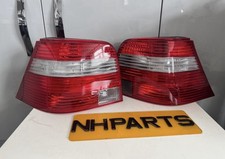 Volkswagen golf Mk4 Euro Tail Lights
GBP 125.00
Volkswagen golf Mk4 Euro Tail Lights
GBP 125.00
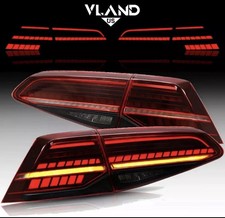 VW Golf Vland Taillights
GBP 200.38
VW Golf Vland Taillights
GBP 200.38
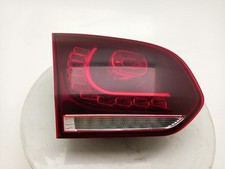 VOLKSWAGEN GOLF Tail Light Rear Lamp N/S 2008-2015 5 Door Hatchback LH
GBP 121.19
VOLKSWAGEN GOLF Tail Light Rear Lamp N/S 2008-2015 5 Door Hatchback LH
GBP 121.19
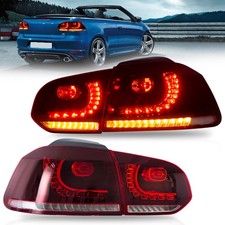 LED RED Tail Lights For VW Golf VI MK6 2008-2013 Rear Lamps W/Sequential
GBP 214.19
LED RED Tail Lights For VW Golf VI MK6 2008-2013 Rear Lamps W/Sequential
GBP 214.19
 Volkswagen Golf R Rear Lights 2013-2017 Rear Tail Lights Complete Set
GBP 156.70
Volkswagen Golf R Rear Lights 2013-2017 Rear Tail Lights Complete Set
GBP 156.70
 VLAND Tail Lights SMOKED Rear Brake Lamps For VW Golf VI MK6 GTI R 2010-2014 L+R
GBP 179.99
VLAND Tail Lights SMOKED Rear Brake Lamps For VW Golf VI MK6 GTI R 2010-2014 L+R
GBP 179.99
 For Volkswagen Golf 6 MK6 LED Smoked Tail Lights 2008-2013 W/Sequential Assembly
GBP 179.99
For Volkswagen Golf 6 MK6 LED Smoked Tail Lights 2008-2013 W/Sequential Assembly
GBP 179.99
 Volkswagen Golf Tail Back Rear Lights Left Passenger Right Driver Mk6 2009-2012
GBP 57.90
Volkswagen Golf Tail Back Rear Lights Left Passenger Right Driver Mk6 2009-2012
GBP 57.90
As an eBay Partner, CarUnited may earn commission from qualifying purchases shown above. Listings and pricing are pulled live from eBay and may vary.
Common Faults, DIY Difficulty & Aftermarket Advice
These are the same regardless of make or model — see our full Tail Lights Guide for diagnosing which circuit has failed, how easy this job is to DIY, and aftermarket advice.
More Volkswagen Tail Lights
The same part, covered across other Volkswagen models.