
Audi A4 Brake Discs: Specs, Fitment & Wear Symptoms
A genuinely important consensus: what's commonly called "warped discs" is almost always uneven pad deposits, not physical warping — plus a genuine hard-braking fix, and an alarming account of genuine replacement discs developing the same fault within 500 miles.
 Illustration for editorial purposes
OEM Part Number: 8W0615301AB
| B9 generation, genuine Audi reference | Audi OEM: 8W0615301AB (also cross-referenced as 80A615301F, 8W0615301P) |
|---|---|
| Earlier generation, genuine Audi reference | Audi OEM: 8E0615301AD (also cross-referenced as 8D0615301K, 8D0615301M) |
| 314mm front (PR code 1ZA) | 25mm thickness, 23mm minimum |
| 318mm and 338mm front (higher-power variants) | Genuinely different, larger specifications than the standard 314mm |
| Rear discs, standard | 300mm diameter, solid, 12mm thickness, 10mm minimum — a 330mm vented option also exists on higher-performance variants |
The Part That Pads Depend On
Discs and pads work as a pair, and neglecting one tends to accelerate wear on the other — which is exactly why worn discs so often get discovered during what was meant to be a routine pad change.
What They Do
Brake discs provide the surface the brake pads clamp against to slow the car, converting momentum into heat through friction. Larger, sportier trims of the A4 typically use bigger discs than standard versions to handle the additional heat generated by more aggressive braking.
Shop for This Part on eBay
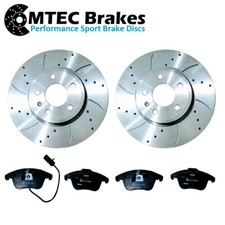 AUDI A4 B8 A5 8T 1.8-3.2 07-17 FRONT DRILLED GROOVED BRAKE DISCS MTEC PADS 314mm
GBP 119.99
AUDI A4 B8 A5 8T 1.8-3.2 07-17 FRONT DRILLED GROOVED BRAKE DISCS MTEC PADS 314mm
GBP 119.99
 2x Solid Brake Discs and Pads fits AUDI A4 B8 2.0D Rear 07 to 15 300mm Set Pair
GBP 67.66
2x Solid Brake Discs and Pads fits AUDI A4 B8 2.0D Rear 07 to 15 300mm Set Pair
GBP 67.66
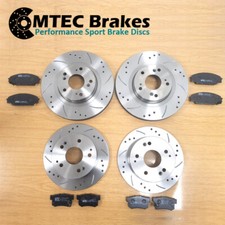 A4 B8 1.8TFSi 2.0TDi/TDIe 11- Drilled Grooved Front Rear Brake Discs & MTEC Pads
GBP 209.99
A4 B8 1.8TFSi 2.0TDi/TDIe 11- Drilled Grooved Front Rear Brake Discs & MTEC Pads
GBP 209.99
 2x Vented Brake Discs and Pads fits AUDI A4 B8 2.0D Front 07 to 15 314mm Set New
GBP 83.49
2x Vented Brake Discs and Pads fits AUDI A4 B8 2.0D Front 07 to 15 314mm Set New
GBP 83.49
 AUDI A4 B8 A5 8T REAR DRILLED GROOVED BRAKE DISCS & PADS 1.8-3.2 07-17 300mm
GBP 99.99
AUDI A4 B8 A5 8T REAR DRILLED GROOVED BRAKE DISCS & PADS 1.8-3.2 07-17 300mm
GBP 99.99
 FRONT REAR BRAKE DISCS PADS FOR AUDI A4 B8 A5 VENTED / SOLID 314mm 300mm
GBP 219.95
FRONT REAR BRAKE DISCS PADS FOR AUDI A4 B8 A5 VENTED / SOLID 314mm 300mm
GBP 219.95
 Audi A4 3.0 TDi 01/05-10/07 Front Rear Brake Discs and Pads Drilled Grooved
GBP 239.99
Audi A4 3.0 TDi 01/05-10/07 Front Rear Brake Discs and Pads Drilled Grooved
GBP 239.99
 2x Vented Brake Discs and Pads fits AUDI A4 B7 2.0D Front 04 to 09 288mm Set New
GBP 62.94
2x Vented Brake Discs and Pads fits AUDI A4 B7 2.0D Front 04 to 09 288mm Set New
GBP 62.94
As an eBay Partner, Car United may earn commission from qualifying purchases shown above. Listings and pricing are pulled live from eBay and may vary.
A Genuinely Important, Honest Consensus Worth Knowing
If you're facing a vibration under braking that's been diagnosed as warped discs, this is genuinely worth knowing: among experienced owners, there's a widely repeated consensus that true disc warping is actually quite rare, and the vibration you're feeling is almost always caused by uneven deposits of pad material building up on the disc surface, rather than the disc itself physically warping. This distinction genuinely matters, since it means a full disc replacement isn't always necessary. It's genuinely worth trying a specific technique first: braking firmly from around 70mph down to 10mph, repeated eight to ten times without letting ABS intervene, with time to cool between attempts, can remove this kind of uneven deposit build-up and resolve the vibration without replacing anything.
It's also genuinely worth knowing an honest, real account worth being aware of regarding warranty cover: one documented UK case saw a dealer initially refuse warranty coverage for a brake disc issue, citing it as ordinary wear, despite the car being well within its warranty period and having covered only 5,000 miles. Escalating the complaint directly to the manufacturer's UK customer service resulted in the dealer accepting a share of responsibility, with the owner ultimately paying only £200 of a bill exceeding £900 — worth persisting with an escalation rather than accepting an initial refusal at face value if a genuine fault seems to have developed unusually early.
Wear Symptoms, DIY Difficulty & Aftermarket Advice
These are the same regardless of make or model — see our full Brake Discs Guide for warning signs to watch for, confirming fitment against your VIN, and choosing a reliable aftermarket disc.
More Audi Brake Discs
The same part, covered across other Audi models.