
Mini Countryman Engine Mount: Specs, Fitment & Common Faults
A genuinely common, well-documented failure point: the upper passenger-side hydraulic mount often fails prematurely between 30,000 and 80,000 miles — plus a safety point about continued driving risking other damage, and an honest account of a dealer initially dismissing the noise as normal.
 Illustration for editorial purposes
OEM Part Number: 22118743621
| F-generation (2014-2022), B46/B47/B48 petrol/diesel, genuine engine mount | Mini OEM: 22118743621 — shared across F54/F55/F56/F57/F60 of the same UKL platform |
|---|
What It Does
Engine mounts secure the engine and transmission to the chassis while absorbing vibration and movement, preventing that vibration from transferring directly into the cabin. Most versions of the Countryman use several mounts working together — typically at least one on each side of the engine plus a torque mount — and a single failed mount can throw off the whole assembly's balance.

Shop for This Part on eBay
 Front Right Upper Engine Mount Mini Countryman 2016 Onward F60 NEW 22116875632
GBP 49.25
Front Right Upper Engine Mount Mini Countryman 2016 Onward F60 NEW 22116875632
GBP 49.25
 AutoStar Germany Lower Engine Mount 22119806994 for MINI Cooper Countryman R60
GBP 43.00
AutoStar Germany Lower Engine Mount 22119806994 for MINI Cooper Countryman R60
GBP 43.00
 MINI COUNTRYMAN COOPER SD 2010-2014 - Driver Right Engine Mount 22116851173
GBP 21.50
MINI COUNTRYMAN COOPER SD 2010-2014 - Driver Right Engine Mount 22116851173
GBP 21.50
 Engine Mount fits MINI COUNTRYMAN COOPER F60 2.0 Lower 2016 on Mounting Febi New
GBP 27.40
Engine Mount fits MINI COUNTRYMAN COOPER F60 2.0 Lower 2016 on Mounting Febi New
GBP 27.40
 Engine Mount fits MINI COUNTRYMAN COOPER R60 2.0D Right 11 to 16 N47C20A Febi
GBP 58.25
Engine Mount fits MINI COUNTRYMAN COOPER R60 2.0D Right 11 to 16 N47C20A Febi
GBP 58.25
 Engine Mount fits MINI COUNTRYMAN COOPER R60 2.0D Rear 11 to 16 N47C20A Mounting
GBP 40.38
Engine Mount fits MINI COUNTRYMAN COOPER R60 2.0D Rear 11 to 16 N47C20A Mounting
GBP 40.38
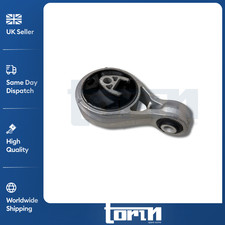 ENGINE MOUNT FRONT LOWER FOR MINI COUNTRYMAN R60 PACEMAN 2.0D 1.6 PETROL/DIESEL
GBP 39.89
ENGINE MOUNT FRONT LOWER FOR MINI COUNTRYMAN R60 PACEMAN 2.0D 1.6 PETROL/DIESEL
GBP 39.89
 MINI COUNTRYMAN ENGINE MOUNT BRACKET RIGHT 1.6 PETROL 6778645 R60 2010 - 2017
GBP 29.99
MINI COUNTRYMAN ENGINE MOUNT BRACKET RIGHT 1.6 PETROL 6778645 R60 2010 - 2017
GBP 29.99
As an eBay Partner, Car United may earn commission from qualifying purchases shown above. Listings and pricing are pulled live from eBay and may vary.
A Genuinely Common, Well-Documented Failure Point Worth Knowing About — Mini Countryman Engine Mount
If you're facing excessive vibration at idle or a clunking noise when accelerating or shifting gears, this is genuinely worth knowing: the upper passenger-side hydraulic engine mount is a very common, widely documented failure point across this model range, often failing prematurely somewhere between 30,000 and 80,000 miles — considerably earlier than you might expect for a component like this. Worth checking this specific mount first if you're facing these symptoms, particularly if the vibration or noise seems to come more from the right-hand side of the engine bay.
It's also genuinely worth knowing a specific, useful detail: there's a documented, improved revision of this mount with its own specific part number, worth checking your receipt or invoice against to confirm you've received the newer design rather than an older, potentially less durable version. It's also genuinely worth knowing an honest account worth bearing in mind: one documented case saw a technician initially unable to identify the specific noise being described, assuming it was simply normal body flex or suspension movement — only for the car to later be found to have a completely torn engine mount once properly investigated. Worth being persistent in describing the exact noise and conditions if an initial inspection doesn't immediately find the cause.
Symptoms, DIY Difficulty & Aftermarket Advice
These are the same regardless of make or model — see our full Engine Mount Guide for warning signs to watch for (including some genuinely make-specific quirks in how they show up), confirming fitment against your VIN, and which aftermarket approach is worth trusting.
More Mini Engine Mount
The same part, covered across other Mini models.