
Nissan Qashqai Exhaust System: Specs, Fitment & Common Faults
A genuinely important warning: the DPF light going off after a short drive doesn't mean it's fixed — each incomplete regeneration cycle loads more soot until even a motorway run won't clear it.
 Illustration for editorial purposes
OEM Part Numbers
| Front pipe with catalytic converter (petrol) | Genuinely a different part from the diesel front pipe below — confirm your exact engine code before ordering |
|---|---|
| Front pipe with diesel particulate filter (diesel, where fitted) | A genuinely different assembly from the petrol cat pipe, combining catalytic and particulate filtration in one unit |
| Centre/intermediate pipe | A genuinely separate section from both the front pipe and rear silencer |
| Rear silencer, front-wheel drive | A genuinely different silencer and mounting arrangement applies versus AWD variants — the underbody routing differs enough that the two aren't interchangeable |
| Rear silencer, AWD | A genuinely different silencer and mounting from the front-wheel-drive version above, to clear the rear differential and driveshaft routing |
A Genuinely Important Warning: The Light Going Off Doesn't Mean It's Fixed — Nissan Qashqai Exhaust System
This is genuinely worth understanding if you've seen the amber DPF warning light appear, then go off again after a shorter drive: this doesn't necessarily mean the problem is solved. Clearing the light typically requires sustained driving at speeds above 40mph for at least 20-30 minutes to properly regenerate the filter — a shorter drive that clears the light temporarily may only be achieving a partial, incomplete regeneration, meaning some soot remains and accumulates further with each incomplete cycle. If the underlying cause (typically short-journey driving) doesn't change, the light will keep returning, and each partial cycle loads a little more unburned soot until eventually even a proper motorway run can't clear the filter — worth taking the light seriously with a genuine, sustained drive the first time, rather than accepting a quick clear as evidence the issue has resolved.
It's also worth knowing that early models (broadly pre-2013/14) don't have the same self-regenerating capability that later generations do — meaning owners of older examples can't necessarily "drive out" a blocking DPF the same way owners of newer cars might expect, and a proper, forced regeneration or manual clean may be needed sooner.
The Part That Announces Its Own Problems
Unlike a lot of the parts on this site, this is one where you'll usually hear the fault before you see it — a rattle, a drone, a sudden increase in noise that wasn't there last week. That's actually useful, since it gives you a head start on catching problems early.
What It Does
The exhaust system channels burnt gases away from the engine, reduces noise through the silencer, and on most modern cars, treats emissions through a catalytic converter and particulate filter before gases exit the tailpipe. Petrol and diesel versions of the same model often use entirely different systems due to different emissions treatment requirements.
Shop for This Part on eBay
 NEW FOR NISSAN QASHQAI 1.5DCI Exhaust System Filter DPF-NS-001 NTY
GBP 252.59
NEW FOR NISSAN QASHQAI 1.5DCI Exhaust System Filter DPF-NS-001 NTY
GBP 252.59
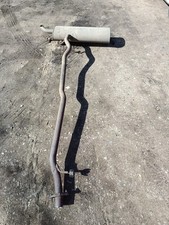 NISSAN QASHQAI J10 2007-2013 1.5 DIESEL EXHAUST SYSTEM MUFFLER SILENCER PIPE HOS
GBP 51.60
NISSAN QASHQAI J10 2007-2013 1.5 DIESEL EXHAUST SYSTEM MUFFLER SILENCER PIPE HOS
GBP 51.60
 NEW FOR NISSAN QASHQAI 1.5DCI Exhaust System Filter DPF-NS-001 NTY
GBP 252.59
NEW FOR NISSAN QASHQAI 1.5DCI Exhaust System Filter DPF-NS-001 NTY
GBP 252.59
 2022 NISSAN QASHQAI Exhaust System 201006UB0A 201016UB0A
GBP 223.99
2022 NISSAN QASHQAI Exhaust System 201006UB0A 201016UB0A
GBP 223.99
 2014-2021 NISSAN QASHQAI J11 PETROL 1.6 DIG-T EXHAUST SYSTEM SILENCER 201004EA9A
GBP 79.99
2014-2021 NISSAN QASHQAI J11 PETROL 1.6 DIG-T EXHAUST SYSTEM SILENCER 201004EA9A
GBP 79.99
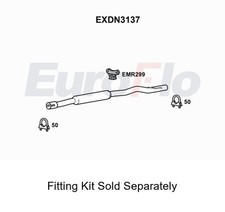 Rear Muffler Silencer Insert Fits Nissan Qashqai/Qashqai+2 EuroFlo EXDN3137
GBP 63.60
Rear Muffler Silencer Insert Fits Nissan Qashqai/Qashqai+2 EuroFlo EXDN3137
GBP 63.60
 For NISSAN QASHQAI / QASHQAI +2 I 2006 to 2014 Exhaust System
GBP 214.99
For NISSAN QASHQAI / QASHQAI +2 I 2006 to 2014 Exhaust System
GBP 214.99
 Rear Muffler Silencer Tail Pipe Fits Nissan Qashqai Renault Kadjar 201004EA3A
GBP 139.91
Rear Muffler Silencer Tail Pipe Fits Nissan Qashqai Renault Kadjar 201004EA3A
GBP 139.91
As an eBay Partner, CarUnited may earn commission from qualifying purchases shown above. Listings and pricing are pulled live from eBay and may vary.
Warning Signs, DIY Difficulty & Aftermarket Advice
These are the same regardless of make or model — see our full Exhaust System Guide for warning signs and fault codes to watch for, confirming fitment against your VIN, and which aftermarket brands are worth trusting.
More Nissan Exhaust System
The same part, covered across other Nissan models.