
Volkswagen Touran Brake Discs: Specs, Fitment & Wear Symptoms
On the Touran, VW's own OEM discs have a documented reputation for corroding faster than quality aftermarket alternatives — plus why rear discs specifically corrode faster than they should.
 Illustration for editorial purposes
OEM Part Numbers
| Mk1 (1T, 2003-2015), most diesel variants, front discs | 288mm or 312mm diameter, vented, depending on engine power |
|---|---|
| Mk1, rear discs | 256mm, 272mm, or 282mm diameter, solid, depending on variant |
| Mk2 (5T, 2015 onwards), 1.4 TSI, rear discs | 300mm diameter, solid, 12mm thickness |
Confirmed: A Genuinely Widespread, Well-Documented VW Corrosion Pattern — Volkswagen Touran Brake Discs
Across VAG owner forums, one theme repeats with remarkable consistency: VW's own-brand OEM brake discs have a documented reputation for corroding and pitting considerably faster than quality aftermarket alternatives, particularly on the rear axle. Multiple owners who've switched to reputable aftermarket brands (Pagid and Napa Proformer both specifically mentioned) report the corrosion problem disappearing entirely after fitting, suggesting this is genuinely more about VW's chosen disc material and coating than an inevitable characteristic of the car itself.
It's worth knowing dealers frequently treat corrosion-related disc replacement as chargeable "wear and tear" excluded from warranty or maintenance plans, even on cars just a couple of years old with low mileage — but this isn't always the final word. Real cases exist of owners successfully obtaining a refund after VW head office intervened following a formal written complaint, when a local dealer initially refused to honour a maintenance plan covering brake repairs. If you believe corrosion this early genuinely reflects a material issue rather than ordinary wear, escalating in writing to VW customer services is a genuinely worthwhile step before accepting the dealer's first answer.
The Part That Pads Depend On
Discs and pads work as a pair, and neglecting one tends to accelerate wear on the other — which is exactly why worn discs so often get discovered during what was meant to be a routine pad change.
What They Do
Brake discs provide the surface the brake pads clamp against to slow the car, converting momentum into heat through friction. Larger, sportier trims of the Touran typically use bigger discs than standard versions to handle the additional heat generated by more aggressive braking.
Shop for This Part on eBay
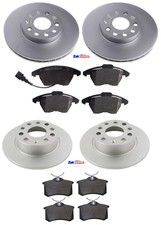 FOR VW TOURAN 1.6 2.0 1.9 TDI FSI (03-10) FRONT & REAR BRAKE DISCS & PADS *NEW*
GBP 122.00
FOR VW TOURAN 1.6 2.0 1.9 TDI FSI (03-10) FRONT & REAR BRAKE DISCS & PADS *NEW*
GBP 122.00
 2x Vented Brake Discs and Pads fits VW TOURAN 1T, 1T3 Front 03 to 15 288mm Set
GBP 59.35
2x Vented Brake Discs and Pads fits VW TOURAN 1T, 1T3 Front 03 to 15 288mm Set
GBP 59.35
 Pair of Genuine VW REAR BRAKE DISC Golf Jetta Caddy Touran Audi A3 1K0615601AJ
GBP 37.05
Pair of Genuine VW REAR BRAKE DISC Golf Jetta Caddy Touran Audi A3 1K0615601AJ
GBP 37.05
 2x Brake Discs Pair Vented fits VW TOURAN 1T, 1T3 Front 03 to 15 288mm Set Bosch
GBP 63.76
2x Brake Discs Pair Vented fits VW TOURAN 1T, 1T3 Front 03 to 15 288mm Set Bosch
GBP 63.76
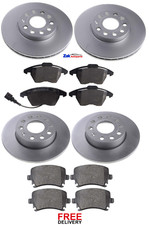 FOR VW TOURAN 1.6 2.0 1.9 TDI FSI (03-10) FRONT & REAR BRAKE DISCS & PADS *NEW*
GBP 124.80
FOR VW TOURAN 1.6 2.0 1.9 TDI FSI (03-10) FRONT & REAR BRAKE DISCS & PADS *NEW*
GBP 124.80
 VW TOURAN 1.6 2.0 1.9 TDI FSI 2003-2010 REAR 2 BRAKE DISCS & PADS CHECK SIZE
GBP 54.99
VW TOURAN 1.6 2.0 1.9 TDI FSI 2003-2010 REAR 2 BRAKE DISCS & PADS CHECK SIZE
GBP 54.99
 Volkswagen Touran 08/03- Front Rear Brake Discs & Pads Drilled Grooved
GBP 209.99
Volkswagen Touran 08/03- Front Rear Brake Discs & Pads Drilled Grooved
GBP 209.99
 2x APEC Rear Brake Discs For VW TOURAN (1T1, 1T2) 2.0 TDI 16V 2003-10 SDK6078
GBP 33.40
2x APEC Rear Brake Discs For VW TOURAN (1T1, 1T2) 2.0 TDI 16V 2003-10 SDK6078
GBP 33.40
As an eBay Partner, CarUnited may earn commission from qualifying purchases shown above. Listings and pricing are pulled live from eBay and may vary.
Wear Symptoms, DIY Difficulty & Aftermarket Advice
These are the same regardless of make or model — see our full Brake Discs Guide for warning signs to watch for, confirming fitment against your VIN, and choosing a reliable aftermarket disc.
More Volkswagen Brake Discs
The same part, covered across other Volkswagen models.