
Skoda Yeti Rear Suspension: Specs, Fitment & Common Faults
On the Yeti, a genuine documented technical bulletin confirms a specific cause of rear rattle — a loose plastic collar around the rear shock absorber.
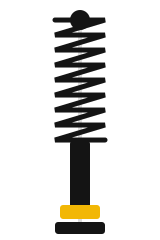 Illustration for editorial purposes
OEM Part Numbers
Confirmed: A Genuine, Specific Cause of Rear Rattle Worth Checking First
A genuinely specific, documented cause worth checking before assuming a bush or spring problem: an official Autodata technical bulletin confirms a common cause of rear rattle traces to a loose plastic collar fitted around the offside rear shock absorber, rather than anything structurally worn. The fix is straightforward once identified — inspecting the shock absorber mounting and surrounding trim for looseness, tightening any loose bolts securing the shock, and replacing worn collars or bushings resolves the noise directly. This is worth mentioning specifically to a garage chasing a rear rattle, since it's a real, documented, named fault rather than a generic "suspension has lots of moving parts" explanation.
Often the Quieter Half of the Conversation
Front suspension tends to get most of the attention since it also handles steering, but the rear axle wears too — often more subtly, with symptoms that are easy to write off as road noise until they get worse.
What It Does
The rear suspension manages how the rear wheels respond to the road surface, working alongside the front suspension to control body movement and keep the car stable under braking and cornering. Depending on trim, the Yeti uses different rear axle designs, which affects both ride character and which specific components need replacing when something wears.
Fitment & Compatibility
Rear suspension components differ between body styles and trims of the Yeti, with sportier trims typically using stiffer springs and dampers than standard versions. Always confirm the exact parts fitted to your specific trim before ordering. Whether you're sourcing a replacement rear suspension for your Skoda Yeti from a dealer, specialist, or online marketplace, always check compatibility against your registration or VIN before buying, and confirm you're ordering the correct side — driver's side (RH in the UK) or passenger side (LH in the UK) — since these are not interchangeable.
Common Faults
Symptoms of Failure
- Clunking over bumps from the rear — often worn bushes or links rather than the springs or dampers themselves.
- Uneven rear tyre wear — can point to a suspension alignment issue or a worn component affecting wheel geometry.
- Rear end feels bouncy or unsettled — a classic sign of worn rear dampers no longer controlling spring movement.
- Visible sagging on one side — can indicate a broken or significantly weakened rear spring.
DIY Replacement Difficulty
Difficulty varies by component — bushes and links are a moderate DIY job, while spring and damper replacement typically needs a spring compressor and carries real safety risk if done incorrectly. Expect 1–2 hours per side for simpler components, or significantly more, or a garage visit, for spring and damper work.
OEM vs. Aftermarket
Reputable aftermarket suspension components from established brands are widely regarded as safe, reliable alternatives to OEM parts. Given how directly this system affects handling and safety, it's worth avoiding unbranded budget parts regardless of which specific component needs replacing.
More Skoda Rear Suspension Guides
The same part, covered across other Skoda models.