
Suzuki Celerio Alternator: Specs, Fitment & Common Faults
On the Celerio, switching on the headlights and rear window heater right after starting genuinely helps distinguish an alternator squeal from simple belt slip.
 Illustration for editorial purposes
OEM Part Number: 31400-84M0
| Alternator | Suzuki OEM: 31400-84M0 |
|---|
Often Blamed on the Battery Instead
A weak battery and a failing alternator produce almost identical symptoms at first — dim lights, slow starts, a car that won't hold charge — which is exactly why so many people replace the battery, only to be back at the garage a few weeks later with the real culprit untouched.
What It Does
The alternator generates electricity while the engine runs, charging the battery and powering the car's electrical systems directly. A healthy alternator means the battery is mostly there for starting the engine and covering brief demand spikes — not for actually running the car's electronics on its own.

Shop for This Part on eBay
 Suzuki Celerio 1.0 Alternator
GBP 10.80
Suzuki Celerio 1.0 Alternator
GBP 10.80
 SUZUKI Celerio Alternator K10BA 31400-84M0
GBP 39.99
SUZUKI Celerio Alternator K10BA 31400-84M0
GBP 39.99
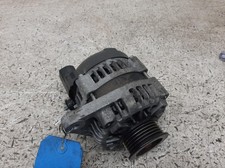 SUZUKI CELERIO SZ2 MK1 2015-2019 Alternator 1.0L Petrol OEM Genuine
GBP 30.00
SUZUKI CELERIO SZ2 MK1 2015-2019 Alternator 1.0L Petrol OEM Genuine
GBP 30.00
 SUZUKI CELERIO Alternator 1.0 Petrol 2015 K10B 31400-84M0
GBP 40.00
SUZUKI CELERIO Alternator 1.0 Petrol 2015 K10B 31400-84M0
GBP 40.00
 Suzuki Celerio 2014 - 2018 1.0 Petrol Alternator 3140084M0
GBP 29.00
Suzuki Celerio 2014 - 2018 1.0 Petrol Alternator 3140084M0
GBP 29.00
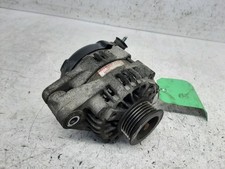 SUZUKI CELERIO MK1 2015-2019 Alternator 1.0L Petrol 12V OEM Genuine 3140084
GBP 30.00
SUZUKI CELERIO MK1 2015-2019 Alternator 1.0L Petrol 12V OEM Genuine 3140084
GBP 30.00
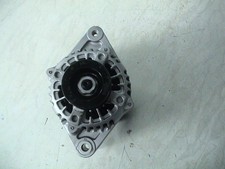 SUZUKI CELERIO 1.0 PETROL 2014-ON ALTERNATOR LRA04042
GBP 83.90
SUZUKI CELERIO 1.0 PETROL 2014-ON ALTERNATOR LRA04042
GBP 83.90
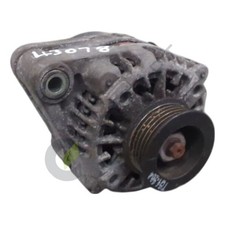 SUZUKI Celerio Alternator K10BA 31400-84M0
GBP 40.00
SUZUKI Celerio Alternator K10BA 31400-84M0
GBP 40.00
As an eBay Partner, CarUnited may earn commission from qualifying purchases shown above. Listings and pricing are pulled live from eBay and may vary.
A Genuinely Useful, Real Diagnostic Test Worth Trying — Suzuki Celerio Alternator
If you're chasing a squeal from the alternator area, this is genuinely worth trying: starting the engine and immediately switching on the headlights and rear window heater together can help distinguish the cause — if the squeal continues or worsens under this extra electrical load, it points toward the alternator working harder to keep up, whereas a squeal unaffected by this test is more likely to be simple belt slip.
It's also genuinely worth knowing that a persistent squeal can sometimes survive a straightforward belt replacement, documented on related models, worth bearing in mind rather than assuming one repair will definitely resolve it if the noise returns or worsens afterward.
Warning Signs, DIY Difficulty & Aftermarket Advice
These are the same regardless of make or model — see our full Alternator Guide for symptoms to watch for (plus a genuinely useful two-minute test to confirm it's not the battery instead), confirming the right amperage and fitment against your VIN, and which brands are worth trusting.
More Suzuki Alternator
The same part, covered across other Suzuki models.