
Nissan Pulsar Brake Discs: Specs, Fitment & Wear Symptoms
On the Pulsar, a genuinely useful distinction separates normal surface rust from genuinely excessive corrosion.
 Illustration for editorial purposes
OEM Part Numbers
| 1.2 DIG-T petrol, front discs | 280mm diameter, vented, 24mm thickness |
|---|---|
| 1.5 dCi diesel, rear discs | 292mm diameter, solid, 62mm height |
| Alternative front size, some variants | 257mm diameter, vented, 22mm thickness — confirm your exact engine before assuming 280mm applies |
A Genuinely Useful Distinction Worth Knowing: Normal Surface Rust vs Genuine Corrosion — Nissan Pulsar Brake Discs
Seeing light rust on discs, particularly on a car that's sat unused for a few days, is genuinely normal and nothing to worry about — one or two braking cycles typically clears surface rust from the contact area. However, genuinely excessive corrosion — rust extending noticeably inside the alloy wheels themselves, or discs looking like the car has been left standing in a wet field for weeks — is a different matter entirely and worth raising with a dealer, particularly on a young car with low mileage.
It's also worth understanding a genuinely real, broader industry context: since asbestos was phased out of brake pad friction material, harder pad compounds have become standard, and discs are now more deliberately treated as the more sacrificial, wear-prone component of the pairing.
The Part That Pads Depend On
Discs and pads work as a pair, and neglecting one tends to accelerate wear on the other — which is exactly why worn discs so often get discovered during what was meant to be a routine pad change.
What They Do
Brake discs provide the surface the brake pads clamp against to slow the car, converting momentum into heat through friction. Larger, sportier trims of the Pulsar typically use bigger discs than standard versions to handle the additional heat generated by more aggressive braking.
Shop for This Part on eBay
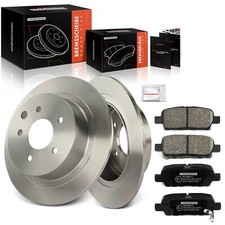 Solid Brake Discs & Brake Pads Rear for Nissan Juke Qashqai/Qashqai+2 Pulsar New
GBP 53.99
Solid Brake Discs & Brake Pads Rear for Nissan Juke Qashqai/Qashqai+2 Pulsar New
GBP 53.99
 2x Vented Brake Discs and Pads fits NISSAN PULSAR C13 1.5D Front 2014 on 280mm
GBP 64.24
2x Vented Brake Discs and Pads fits NISSAN PULSAR C13 1.5D Front 2014 on 280mm
GBP 64.24
 2x Solid Brake Discs and Pads fits NISSAN PULSAR C13 1.6 Rear 2015 on 292mm Set
GBP 49.59
2x Solid Brake Discs and Pads fits NISSAN PULSAR C13 1.6 Rear 2015 on 292mm Set
GBP 49.59
 2x Solid Brake Discs and Pads fits NISSAN PULSAR C13 1.5D Rear 2014 on 292mm Set
GBP 49.60
2x Solid Brake Discs and Pads fits NISSAN PULSAR C13 1.5D Rear 2014 on 292mm Set
GBP 49.60
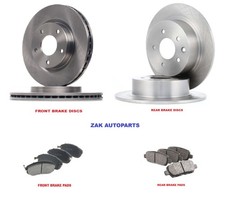 FRONT AND REAR BRAKE DISCS & PADS FOR NISSAN PULSAR 1.2 1.5 DCi 1.6 2014-2018
GBP 125.50
FRONT AND REAR BRAKE DISCS & PADS FOR NISSAN PULSAR 1.2 1.5 DCi 1.6 2014-2018
GBP 125.50
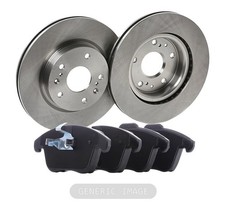 Front Brake Discs Pair + Brake Pad Set Braking Kit Fits Nissan Juke Pulsar
GBP 59.36
Front Brake Discs Pair + Brake Pad Set Braking Kit Fits Nissan Juke Pulsar
GBP 59.36
 2x Solid Brake Discs and Pads fits NISSAN PULSAR C13 1.2 Rear 2014 on 292mm Set
GBP 49.61
2x Solid Brake Discs and Pads fits NISSAN PULSAR C13 1.2 Rear 2014 on 292mm Set
GBP 49.61
 2x Brake Discs Pair Vented fits NISSAN PULSAR C13 1.5D Front 2014 on K9K 280mm
GBP 51.75
2x Brake Discs Pair Vented fits NISSAN PULSAR C13 1.5D Front 2014 on K9K 280mm
GBP 51.75
As an eBay Partner, CarUnited may earn commission from qualifying purchases shown above. Listings and pricing are pulled live from eBay and may vary.
Wear Symptoms, DIY Difficulty & Aftermarket Advice
These are the same regardless of make or model — see our full Brake Discs Guide for warning signs to watch for, confirming fitment against your VIN, and choosing a reliable aftermarket disc.
More Nissan Brake Discs
The same part, covered across other Nissan models.