
BMW 5 Series Alternator: Specs, Fitment & Common Faults
A genuinely useful finding for start-stop equipped models: a struggling alternator is a documented cause of the system behaving erratically — plus a note that newer mild hybrid models with an integrated starter-generator often need more advanced diagnostic tools.
 Illustration for editorial purposes
OEM Part Number: 12318634167
| G30 generation, standard petrol/diesel engines | BMW OEM: 12318634167 — genuine 250 Amp unit |
|---|---|
| M5 Competition and higher-output variants | A genuinely different, typically higher-capacity alternator reference applies given the increased electrical demand of these performance variants — confirm your exact engine code before ordering |
Often Blamed on the Battery Instead
A weak battery and a failing alternator produce almost identical symptoms at first — dim lights, slow starts, a car that won't hold charge — which is exactly why so many people replace the battery, only to be back at the garage a few weeks later with the real culprit untouched.
What It Does
The alternator generates electricity while the engine runs, charging the battery and powering the car's electrical systems directly. A healthy alternator means the battery is mostly there for starting the engine and covering brief demand spikes — not for actually running the car's electronics on its own.
Shop for This Part on eBay
 220amp ALTERNATOR 12318579420 for BMW X3 F25 X5 E70 X6 E71 5-SERIES F07 F10 F11
GBP 87.05
220amp ALTERNATOR 12318579420 for BMW X3 F25 X5 E70 X6 E71 5-SERIES F07 F10 F11
GBP 87.05
 BMW 5 SERIES Alternator 3.0 Diesel 2010 F10 N57D30U0 (N57D30A) 7807187
GBP 75.00
BMW 5 SERIES Alternator 3.0 Diesel 2010 F10 N57D30U0 (N57D30A) 7807187
GBP 75.00
 ALTERNATOR (WATER COOLED) 150A FITS BMW 5 SERIES E39 7 SERIES M62 E38 WAI 13815N
GBP 165.00
ALTERNATOR (WATER COOLED) 150A FITS BMW 5 SERIES E39 7 SERIES M62 E38 WAI 13815N
GBP 165.00
 BMW 5 SERIES F10 F11 2010 ALTERNATOR GENERATOR 7807187
GBP 62.50
BMW 5 SERIES F10 F11 2010 ALTERNATOR GENERATOR 7807187
GBP 62.50
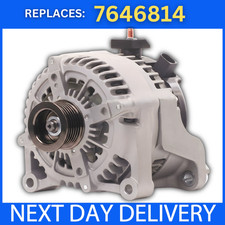 fits BMW 5 Series 520d F10 F11, X3 F25 & X4 F26 B47 NEW 220A ALTERNATOR 7646814
GBP 164.99
fits BMW 5 Series 520d F10 F11, X3 F25 & X4 F26 B47 NEW 220A ALTERNATOR 7646814
GBP 164.99
 ALTERNATOR BMW 5 SERIES 518 520 525 530 535 550 F10 F11 2.0 3.0 DIESEL 230amp
GBP 138.99
ALTERNATOR BMW 5 SERIES 518 520 525 530 535 550 F10 F11 2.0 3.0 DIESEL 230amp
GBP 138.99
 BMW 5 SERIES Alternator 2017-2023 L 9889126
GBP 335.99
BMW 5 SERIES Alternator 2017-2023 L 9889126
GBP 335.99
 ALTERNATOR Fits BMW 5 Series E60 E61 E63 E64 E65 520d 525d 530d 635d 730d M5 M6
GBP 149.99
ALTERNATOR Fits BMW 5 Series E60 E61 E63 E64 E65 520d 525d 530d 635d 730d M5 M6
GBP 149.99
As an eBay Partner, CarUnited may earn commission from qualifying purchases shown above. Listings and pricing are pulled live from eBay and may vary.
A Genuinely Useful Finding Worth Knowing on Start-Stop Equipped Models — BMW 5 Series Alternator
If the start-stop system has started behaving erratically, such as failing to engage or re-engage reliably, this is genuinely worth knowing: a struggling alternator is a documented cause of this specific symptom on models fitted with this feature, since the charging system needs to reliably replenish the battery quickly between stops for start-stop to function properly. Newer models fitted with mild hybrid systems and an integrated starter-generator in place of a conventional alternator often need more advanced diagnostic tools to properly identify charging issues, worth knowing this if a specialist mentions needing specific equipment beyond a standard code reader.
It's also genuinely worth knowing that a leaking oil filter housing gasket has been documented as a primary cause of alternator failure on related BMW engines, worth having this checked before assuming the alternator itself is simply worn out.
Warning Signs, DIY Difficulty & Aftermarket Advice
These are the same regardless of make or model — see our full Alternator Guide for symptoms to watch for (plus a genuinely useful two-minute test to confirm it's not the battery instead), confirming the right amperage and fitment against your VIN, and which brands are worth trusting.
More BMW Alternator
The same part, covered across other BMW models.