
Honda CR-V Radiator: Specs, Fitment & Common Faults
On the CR-V, using the wrong coolant type can genuinely cause corrosion — plus a tricky DIY trap where the heater pipe can feel seated when it isn't.
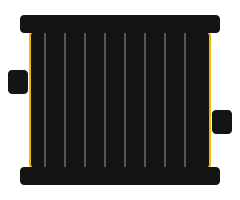 Illustration for editorial purposes
OEM Part Numbers
A Genuinely Important Warning Worth Knowing About Coolant Type
If you're topping up or refilling the cooling system, this is genuinely worth taking seriously: using the wrong type of coolant — genuinely the wrong chemical formulation for your specific engine — has been documented as a real, direct cause of internal corrosion. Always confirm the correct coolant specification for your specific engine before topping up.
It's also worth knowing that a combination of elevated idle speed and rapid overheating shortly after thermostat work often points toward trapped air in the cooling system rather than a genuine new leak.
The Part That Keeps Everything Else From Cooking
Nothing about this component is glamorous, but almost every serious engine failure that isn't wear-related traces back to a cooling system problem left unaddressed. Catching the early signs here is genuinely cheap insurance against a much bigger bill.
What It Does
The radiator transfers heat from the engine coolant to the surrounding air, keeping engine temperature within a safe operating range. On automatic versions, it often also cools transmission fluid through a separate internal circuit — one more reason the correct part number matters so much here.
Fitment & Compatibility
Radiators differ between manual and automatic versions of the CR-V due to the transmission cooling circuit, and again across different generations. A radiator designed for a manual gearbox car will not correctly cool an automatic's transmission fluid even if it physically fits the mounting points. Always confirm the exact part number for your specific engine and transmission combination. Whether you're sourcing a replacement radiator for your Honda CR-V from a dealer, specialist, or online marketplace, always check compatibility against your registration or VIN before buying.
Common Faults
Symptoms of Failure
- Engine temperature gauge creeping up — often the earliest sign, especially noticeable in slow traffic or on long motorway runs.
- Sweet-smelling smoke from the engine bay — a strong indicator of a coolant leak, usually from a cracked radiator tank or failed seal.
- Visible coolant puddles under the front of the car — points to a leak that needs tracing back to its source before it causes overheating.
- Milky discolouration in the coolant reservoir — can indicate a more serious internal issue where coolant and oil are mixing, requiring urgent inspection.
DIY Replacement Difficulty
This is a moderate-to-difficult DIY job, typically involving draining the cooling system, removing the front bumper or grille on some model years for access, and correctly bleeding air from the system afterward. Getting the bleed process wrong can cause airlocks that mimic a still-faulty radiator, so this is one job where following the exact procedure matters. Expect 2–3 hours for an experienced home mechanic, or roughly 1–1.5 hours of labour at a garage.
OEM vs. Aftermarket
OEM radiators are generally the safer choice given how directly this part affects engine longevity, though reputable aftermarket brands with genuine OEM-equivalent specifications are a reasonable, cheaper alternative. Budget unbranded radiators are where most repeat-failure complaints cluster — this is not a part worth cutting corners on.
More Honda Radiator Guides
The same part, covered across other Honda models.