
Mazda CX-3 Exhaust System: Specs, Fitment & Common Faults
Worth knowing as context: Mazda's 2.2 diesel engine, used across its larger models, has been linked to oil contamination described as a known manufacturing fault, with a real £9,000 engine replacement quote.
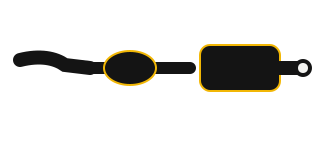 Illustration for editorial purposes
Opens live listings in a new tab.
Mazda CX-3 Exhaust System: OEM Part Number
| Front pipe with catalytic converter (petrol) | Genuinely a different part from the diesel front pipe below — confirm your exact engine code before ordering |
|---|---|
| Front pipe with diesel particulate filter (diesel, where fitted) | A genuinely different assembly from the petrol cat pipe, combining catalytic and particulate filtration in one unit |
| Centre/intermediate pipe | A genuinely separate section from both the front pipe and rear silencer |
| Rear silencer, front-wheel drive | A genuinely different silencer and mounting arrangement applies versus AWD variants — the underbody routing differs enough that the two aren't interchangeable |
| Rear silencer, AWD | A genuinely different silencer and mounting from the front-wheel-drive version above, to clear the rear differential and driveshaft routing |
A Genuinely Useful Piece of Context Worth Knowing About Mazda's Diesel Range — Mazda CX-3 Exhaust System
If you're cross-shopping against a larger diesel Mazda, or considering a used one from the same range, this is genuinely worth knowing: Mazda's 2.2 diesel engine, used across the CX-5, Mazda 6, and Mazda 3, has been linked in documented cases to unburnt fuel contaminating the engine oil during DPF regeneration cycles, with two independent mechanics in one case describing it as a known manufacturing fault. Mazda quoted around £9,000 for a full replacement engine in that documented case — worth knowing as general context even if your own car doesn't use this specific engine.
It's also worth knowing that regular use of a fuel additive alongside genuinely sustained motorway-speed driving occasionally is a real, practical way to help any DPF-equipped diesel regenerate properly, worth building into your routine if your driving is mostly short, local journeys.
Mazda CX-3 Exhaust System: The Part That Announces Its Own Problems
On the Mazda CX-3, this is one of the few parts where your ears will catch a problem before your eyes do — a new rattle, a drone, noise that simply wasn't there a week ago. That's a genuine advantage, since it gives you an early warning most other faults don't offer.
Mazda CX-3 Exhaust System: What It Does
On the Mazda CX-3, burnt gases leave the engine through the exhaust system, which quiets them via the silencer and treats emissions through a catalytic converter and particulate filter before anything exits the tailpipe. Petrol and diesel versions frequently use entirely different systems, since their emissions treatment needs aren't the same.
Opens live listings in a new tab.
Mazda CX-3 Exhaust System: Warning Signs, DIY Difficulty & Aftermarket Advice
These are the same regardless of make or model — see our full Exhaust System Guide for warning signs and fault codes to watch for, confirming fitment against your VIN, and which aftermarket brands are worth trusting.
More Mazda Exhaust System
The same part, covered across other Mazda models.