
Subaru Forester Alternator: Specs, Fitment & Common Faults
On the Forester, removing the alternator belt and starting the engine genuinely confirms or rules out the alternator entirely as the source of a noise.
 Illustration for editorial purposes
OEM Part Number: 23700AB051
| Current generation (shared reference) | Subaru OEM: 23700AB051 |
|---|---|
| 1999-2002 era, shared reference | Subaru OEM: 23700AA390 |
Often Blamed on the Battery Instead
A weak battery and a failing alternator produce almost identical symptoms at first — dim lights, slow starts, a car that won't hold charge — which is exactly why so many people replace the battery, only to be back at the garage a few weeks later with the real culprit untouched.
What It Does
The alternator generates electricity while the engine runs, charging the battery and powering the car's electrical systems directly. A healthy alternator means the battery is mostly there for starting the engine and covering brief demand spikes — not for actually running the car's electronics on its own.

Shop for This Part on eBay
 BRAND NEW ALTERNATOR FITS SUBARU IMPREZA FORESTER & OUTBACK 2.0 2.5 3.0 WRX STi
GBP 113.95
BRAND NEW ALTERNATOR FITS SUBARU IMPREZA FORESTER & OUTBACK 2.0 2.5 3.0 WRX STi
GBP 113.95
 NEW PSH+ ALTERNATOR for SUBARU IMPREZA FORESTER & OUTBACK 2.0 2.5 3.0 WRX STi
GBP 157.95
NEW PSH+ ALTERNATOR for SUBARU IMPREZA FORESTER & OUTBACK 2.0 2.5 3.0 WRX STi
GBP 157.95
 SUBARU FORESTER ALTERNATOR 2.0i XT TURBO PETROL 23700AA760 MK4 SJ 2015
GBP 59.49
SUBARU FORESTER ALTERNATOR 2.0i XT TURBO PETROL 23700AA760 MK4 SJ 2015
GBP 59.49
 Subaru Forester 2.0L EE20 Alternator Generator 23700AA660 2009-2014
GBP 44.99
Subaru Forester 2.0L EE20 Alternator Generator 23700AA660 2009-2014
GBP 44.99
 GENUINE OEM ALTERNATOR for SUBARU LEGACY FORESTER IMPREZA EE20 23700AA660 #4000
GBP 149.00
GENUINE OEM ALTERNATOR for SUBARU LEGACY FORESTER IMPREZA EE20 23700AA660 #4000
GBP 149.00
 Brand New Alternator 12V 90A for SUBARU FORESTER 1997-2012 AWD OE LR190-742
GBP 86.75
Brand New Alternator 12V 90A for SUBARU FORESTER 1997-2012 AWD OE LR190-742
GBP 86.75
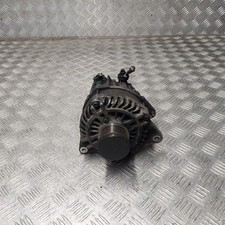 Subaru Forester D MK3 2011 2.0 diesel Alternator 23700AA730
GBP 71.96
Subaru Forester D MK3 2011 2.0 diesel Alternator 23700AA730
GBP 71.96
 Alternator fits SUBARU FORESTER SG, SG9, SH9 2.5 02 to 13 23700AA520 23700AA521
GBP 246.48
Alternator fits SUBARU FORESTER SG, SG9, SH9 2.5 02 to 13 23700AA520 23700AA521
GBP 246.48
As an eBay Partner, CarUnited may earn commission from qualifying purchases shown above. Listings and pricing are pulled live from eBay and may vary.
A Genuinely Definitive, Real Diagnostic Technique Worth Knowing — Subaru Forester Alternator
If you're chasing a whine or squeal that might be coming from the alternator, the power steering pump, or a belt tensioner, this is genuinely worth knowing: removing the alternator's drive belt entirely and briefly starting the engine to see whether the noise disappears is a genuinely definitive way to confirm or rule out the alternator itself, since with the belt removed the alternator physically cannot be spinning or making noise.
It's also genuinely worth knowing that some noise specifically under a genuinely heavy electrical load has been described as difficult to reproduce except under loads well beyond what the car would typically draw at idle — worth bearing in mind that not every noise heard only under heavy load necessarily indicates a fault.
Warning Signs, DIY Difficulty & Aftermarket Advice
These are the same regardless of make or model — see our full Alternator Guide for symptoms to watch for (plus a genuinely useful two-minute test to confirm it's not the battery instead), confirming the right amperage and fitment against your VIN, and which brands are worth trusting.
More Subaru Alternator
The same part, covered across other Subaru models.