
Ford Kuga Cabin Air Filter: Intervals, Fitment & Warning Signs
A genuine Kuga-specific fault — a detached access door — can mimic a climate control problem and cause a persistent cold draft from the glovebox.
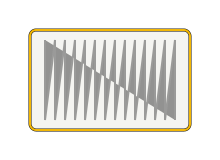 Illustration for editorial purposes
Opens live listings in a new tab.
Ford Kuga Cabin Air Filter: OEM Part Number
| Standard particulate filter | Ford OEM/Motorcraft: AV6N-19G244-AA — shared with same-era Focus Mk3 |
|---|---|
| Activated-carbon "odour filter" upgrade | A genuinely different part with an added carbon layer for exhaust/odour filtering, same fitment as the standard filter |
A Genuine, Slightly Unusual Fault Worth Knowing About — Ford Kuga Cabin Air Filter
Access on the Kuga is genuinely more involved than on many Fords — the filter sits below the glovebox rather than directly behind it, and reaching it means removing protective bulkhead panels in the footwell area rather than simply dropping the glovebox down. One specific, real fault worth knowing about if you notice unexplained cold air blowing from around the glovebox area regardless of your climate settings: the small plastic access door covering the filter housing can work loose and fall off internally, which lets unfiltered outside air leak into the footwell and gives a persistent cold draft that looks exactly like a climate control fault. One owner spent time troubleshooting a suspected climate system issue before discovering the door had simply detached and fallen into the footwell — a five-minute fix once identified, but easy to misdiagnose as something considerably more expensive.
Ford Kuga Cabin Air Filter: Easy to Forget, Easy to Fix
On the Ford Kuga, this part sits in an unusual category: neglecting it changes nothing about how the car drives, so there's no natural prompt to replace it. It only affects the air you're breathing inside the cabin, which is why it's so often left well past its interval.
Ford Kuga Cabin Air Filter: What It Does
Every bit of air blown through the Ford Kuga's cabin vents passes through this filter first, which is what traps dust and pollen — plus some odours and pollutants if it's an activated-carbon type. It has nothing to do with the engine air filter, a wholly separate component built for the combustion side of things.
Opens live listings in a new tab.
Ford Kuga Cabin Air Filter: Warning Signs, DIY Difficulty & Aftermarket Advice
These are the same regardless of make or model — see our full Cabin Air Filter Guide for signs it needs changing, confirming fitment against your VIN, and choosing standard, carbon, or HEPA media.
More Ford Cabin Air Filter
The same part, covered across other Ford models.