
Peugeot 508 Fuel Pump: Specs, Fitment & Common Faults
On the 508, a genuine ombudsman-won case confirms a known internal pump design flaw — plus a real cost-saving tip worth knowing before paying a dealer's parts price.
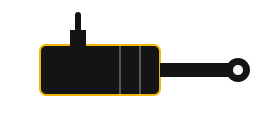 Illustration for editorial purposes
Opens live listings in a new tab.
Peugeot 508 Fuel Pump: OEM Part Number
A Genuine, Documented Consumer Win Worth Knowing About — Peugeot 508 Fuel Pump
If your high-pressure fuel pump fails and a dealer initially blames non-Peugeot servicing or the wrong oil, this is genuinely worth knowing: one owner took exactly this dispute to the ombudsman and won after a two-month fight, with the ruling confirming the fault was a known internal design issue — a non-return valve inside the pump failing and allowing high-pressure fuel to flow backward into the low-pressure side — rather than anything caused by aftermarket servicing. It's also worth knowing your genuine legal position here: a manufacturer cannot lawfully require you to have your car serviced exclusively by their own dealer network to keep the warranty valid, provided servicing is carried out to the correct specification using appropriate parts. If you're facing a similar dismissal, this is worth raising directly rather than accepting it as the final word.
Worth knowing if you're on a second or third replacement pump that's failed quickly each time: this can point to an underlying contamination issue in the fuel system rather than simply unlucky parts — insisting on a full fuel system check, not just another pump swap, is worth doing if a replacement fails again within a short time.
Peugeot 508 Fuel Pump: A Part That Fails at the Worst Possible Moments
On the Peugeot 508, this particular failure has a knack for terrible timing, stranding drivers mid-journey instead of giving fair warning while the car's parked up safely. Spotting the early signs early enough is what stands between a routine fix and a roadside breakdown.
Peugeot 508 Fuel Pump: What It Does
Getting fuel from tank to engine at the correct combustion pressure is down to the fuel pump, and on the Peugeot 508 that pump sits inside the tank, submerged in fuel. That location is exactly why swapping out such a small part is rarely a quick job.
Peugeot 508 Fuel Pump: Generations & Engines: Fuel Pump Type
| Mk1 (2010–2018), 1.6 HDi diesel | Diesel: in-tank lift pump feeds a separate engine-mounted high-pressure injection pump (common rail) — never interchangeable with the petrol pump |
|---|---|
| Mk1, 1.6 THP petrol | Petrol (direct injection): in-tank low-pressure pump plus a separate engine-mounted high-pressure pump |
| Mk2 (2018–present), 1.6 PureTech petrol | Petrol (direct injection): in-tank low-pressure pump plus a separate engine-mounted high-pressure pump |
Opens live listings in a new tab.
Peugeot 508 Fuel Pump: Warning Signs, DIY Difficulty & Aftermarket Advice
These are the same regardless of make or model — see our full Fuel Pump Guide for symptoms to watch for (including the low-pressure vs high-pressure distinction on direct-injection engines), confirming fitment against your VIN, and OE suppliers worth knowing.
More Peugeot Fuel Pump
The same part, covered across other Peugeot models.